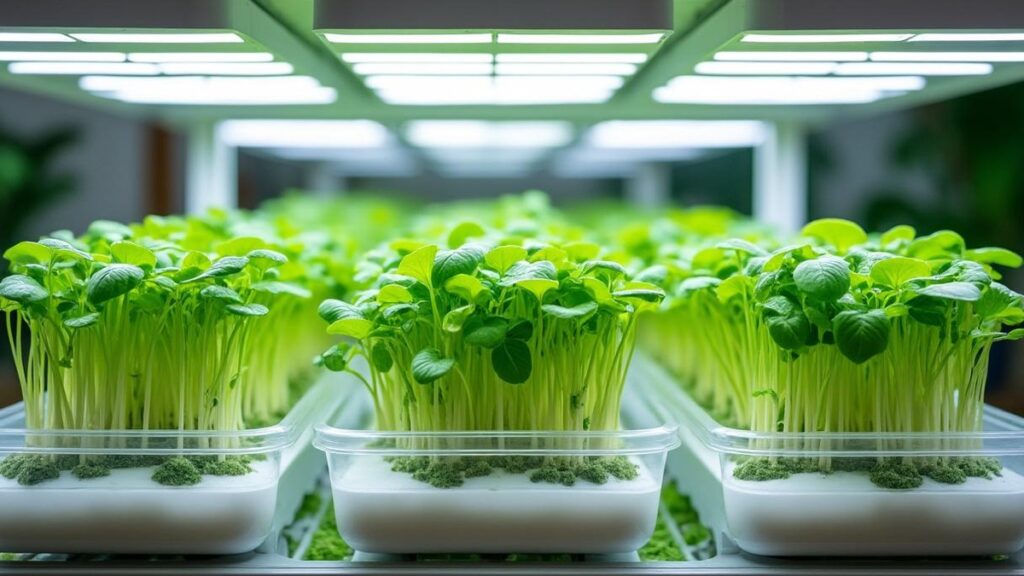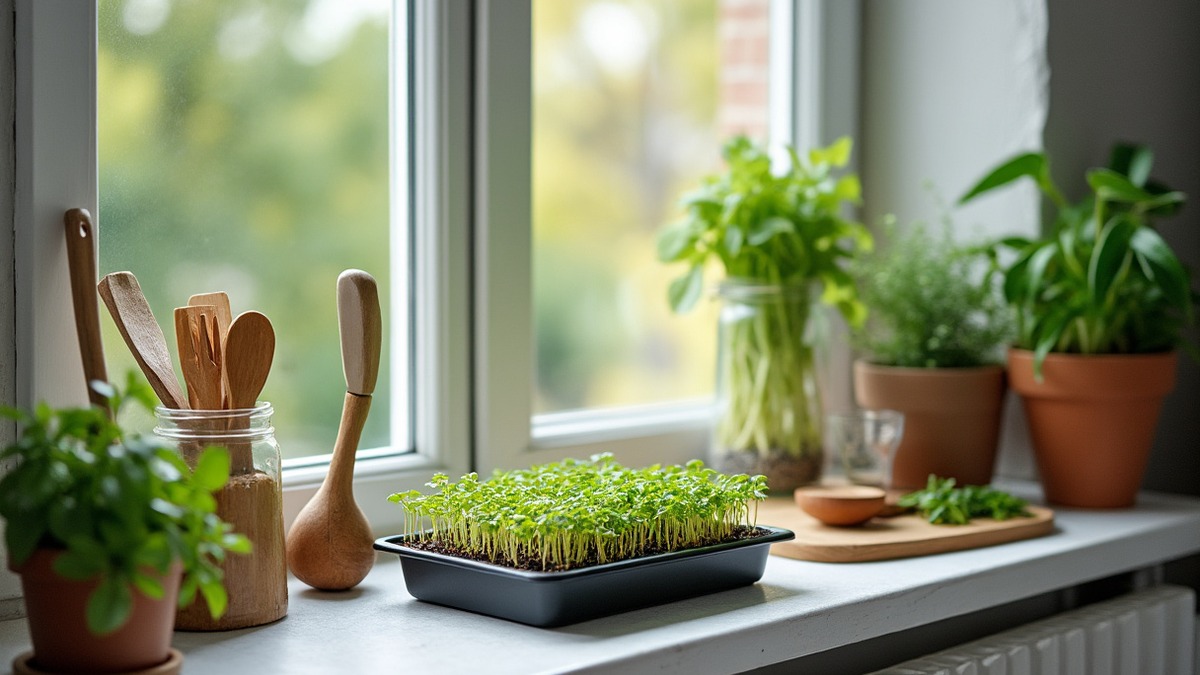
The first tray I kept on the counter was radish microgreens in a black 10×20. Within four days the kitchen smelled like peppery greens every time I opened the lid to mist — not perfume, just alive. That is when I stopped thinking of microgreens as garnish only and started treating one tray as a small appliance that earns its square foot.
You do not need a greenhouse. You need a shallow tray, seed-starting mix, light, and a harvest plan before the stems go leggy.
Why one tray is enough to start
A single tray teaches the full loop: sow dense, germinate under cover, move to light, water from below, harvest once with sharp scissors. Master that on radish or broccoli before you run five varieties and wonder which one molded.
The payoff is not only nutrition — it is fresh flavor on demand when store clamshells are wilted or expensive.
What to grow first
Easy wins for a first aromatic tray:
- Radish — fast, peppery, forgiving if you over-sow slightly
- Broccoli or kale — mild, great on eggs and sandwiches
- Pea shoots — taller; give them an extra day of height before cutting
Save basil micro-herbs and sunflower for tray two once you have a light height figured out.
Setup that actually fits a kitchen
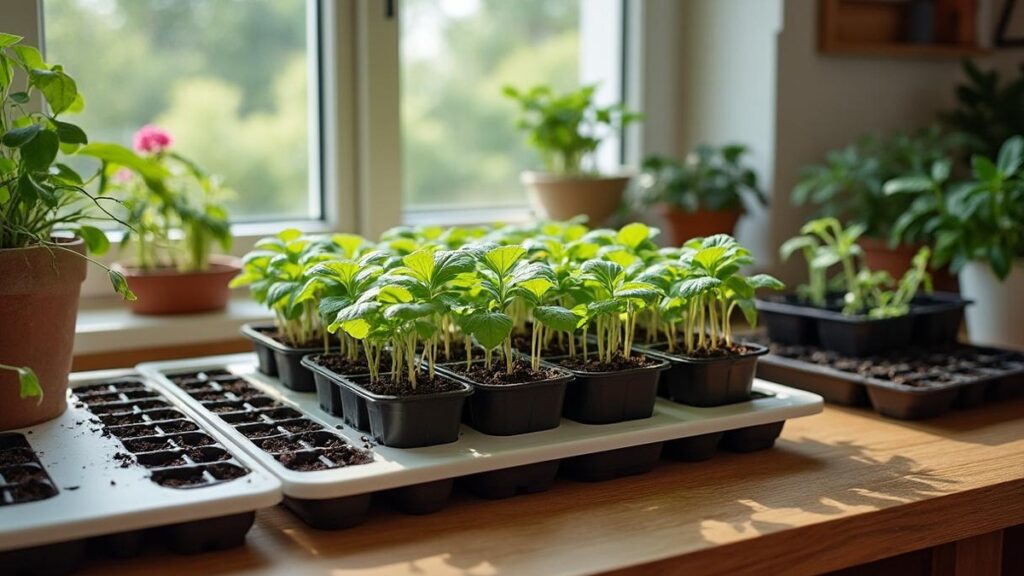
I use a standard propagation tray with drainage holes sitting in a solid tray for bottom watering. About an inch of pre-moistened mix, seed sprinkled thickly, light press, then a domed lid until germination.
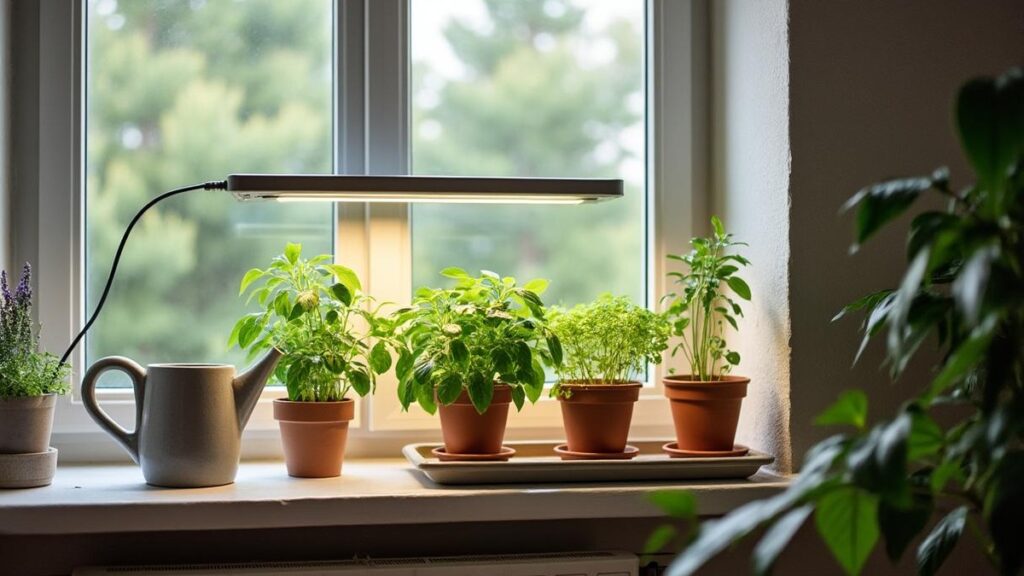
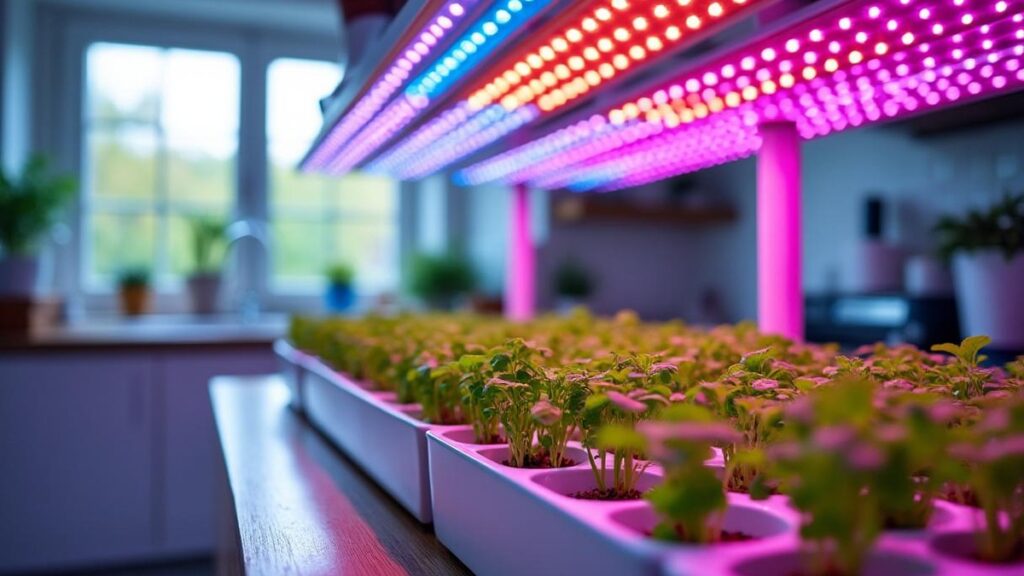
Light matters more than romance. A sunny south window works in spring; in a dim kitchen I use a simple LED shelf — roughly 12–16 hours for most varieties. Without enough light, stems stretch and the “aromatic garden” becomes pale spaghetti.
Growth and harvest timing
Most microgreens are ready in 7–14 days depending on crop and temperature. Harvest when cotyledons are open and color looks even — for many crops, before true leaves get tough.
Cut above the soil line with clean scissors. One cut, one harvest for most varieties; do not expect a full second flush from the same mat (resow instead).
How I use them in meals
- Pile on avocado toast and fried eggs
- Fold into wraps where lettuce would be boring
- Top hot soup off the heat so they stay bright
A handful at the end beats cooking them to gray mush.
Mistakes I made on tray one
- Overwatering after germination — fuzzy mold on stems
- Harvesting too late — true leaves tough, flavor harsh
- Skipping airflow once the dome comes off — stems fall over
Staggering for a steady smell (and supply)
One tray peaks once. Sow a second tray five to seven days after the first if you want the kitchen to always have something at scissors height. Two trays fit most counters better than one heroic tray you forget to cut.
Bottom line
A small tray does not redesign your house — it gives you a repeatable fresh ingredient and a scent that reminds you something is growing. Start with one easy crop, one light source, and one clean harvest habit. The aromatic part takes care of itself when the plants are actually healthy, not when the prose promises a garden.