
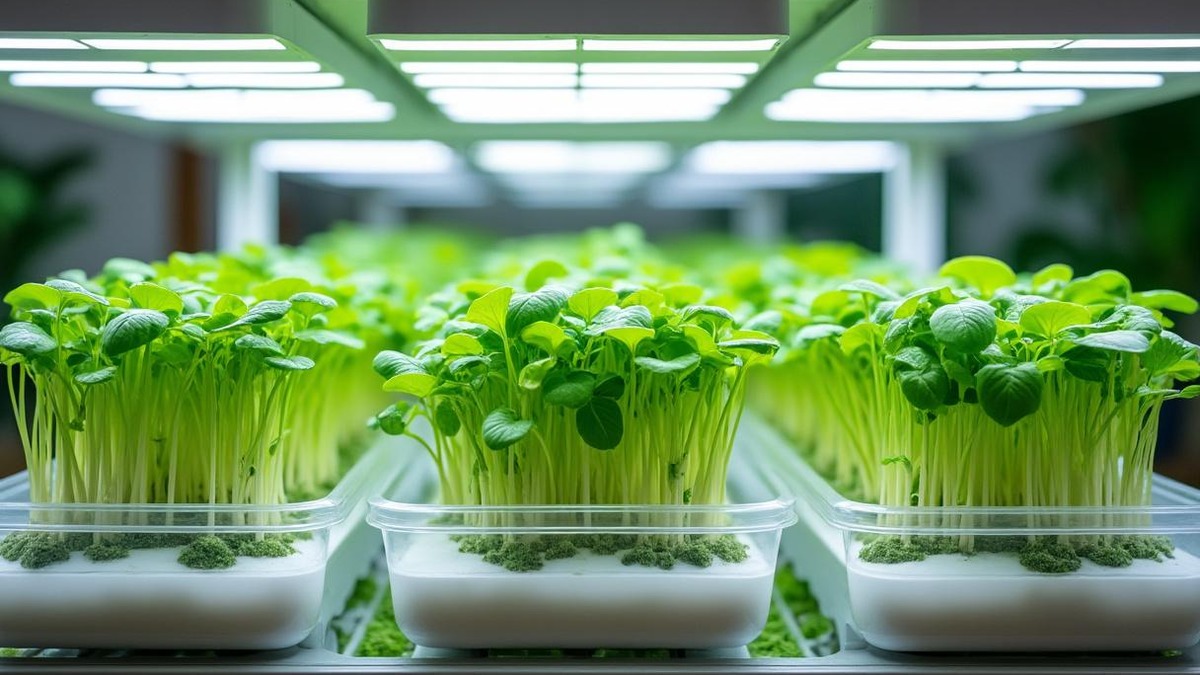
Hydroponic microgreens have become increasingly popular among home gardeners and indoor growers because they grow quickly, require less space, and often produce more consistent results than traditional soil-based methods. Instead of relying on soil, hydroponic systems deliver nutrients directly through water, allowing microgreens to absorb essential minerals more efficiently.
Because the growing environment is more controlled, hydroponic microgreens typically mature faster and develop healthier stems and leaves. Many growers also prefer hydroponics because it reduces mess, minimizes soil-related problems, and makes year-round indoor cultivation easier.
Nutrient Delivery Supports Faster Growth
One of the main advantages of hydroponic growing is the direct delivery of nutrients to plant roots. In traditional soil gardening, roots must search through soil to access nutrients and moisture. In hydroponic systems, those nutrients are already dissolved in water and immediately available for absorption.
This efficient nutrient delivery often leads to faster germination, stronger early growth, and quicker harvest cycles. Since microgreens are harvested young, even small improvements in growth speed can make a noticeable difference.
Healthier Roots Lead to Stronger Plants
Healthy root systems are essential for vigorous plant growth. In hydroponic systems, roots typically receive better oxygen exposure because they grow in a carefully balanced water-and-air environment rather than compacted soil.
Improved oxygen circulation helps roots absorb nutrients more effectively and reduces stress on developing plants. As a result, hydroponic microgreens often produce more uniform growth and healthier leaves.
Reduced Exposure to Soil-Borne Problems
Soil can contain fungi, pests, and bacteria that interfere with plant health. Because hydroponic systems eliminate soil entirely, growers can reduce the risk of many common gardening issues.
A clean growing setup also lowers the need for pesticides or chemical treatments. While hydroponic systems still require proper sanitation and maintenance, controlled indoor environments are generally easier to manage consistently.
Consistent Moisture Improves Plant Development
Maintaining proper moisture levels is one of the biggest challenges in traditional gardening. Soil may dry out unevenly or remain too wet in certain areas, creating stress for young plants.
Hydroponic systems provide a more stable water supply directly to the roots, helping microgreens maintain steady growth without large fluctuations in moisture levels. Consistent hydration supports better nutrient uptake and reduces the risk of stunted growth.
Greater Control Over Growing Conditions
Hydroponic growing allows gardeners to control important environmental factors such as light exposure, temperature, humidity, and pH levels. This level of precision helps create ideal conditions for microgreens throughout the growing cycle.
Indoor hydroponic systems are also less affected by seasonal weather changes, making it easier to grow fresh greens year-round. With proper lighting and airflow, growers can achieve reliable harvests regardless of outdoor conditions.
Common Mistakes to Avoid
Although hydroponics can produce excellent results, mistakes in system management can still affect plant health. Overwatering and poor oxygen circulation are among the most common problems for beginners.
- Avoid keeping roots constantly submerged without proper airflow.
- Monitor water quality and nutrient levels regularly.
- Clean trays and reservoirs to prevent algae and bacterial buildup.
- Use adequate lighting to prevent weak or leggy growth.
- Maintain good air circulation around growing trays.
Final Thoughts
Hydroponic microgreens offer a fast, efficient, and space-saving alternative to traditional soil gardening. By delivering nutrients directly to plant roots and allowing greater control over growing conditions, hydroponic systems often produce healthier and more consistent harvests.
For home gardeners interested in growing fresh greens indoors throughout the year, hydroponics can be a practical and reliable method that combines convenience with high-quality results.