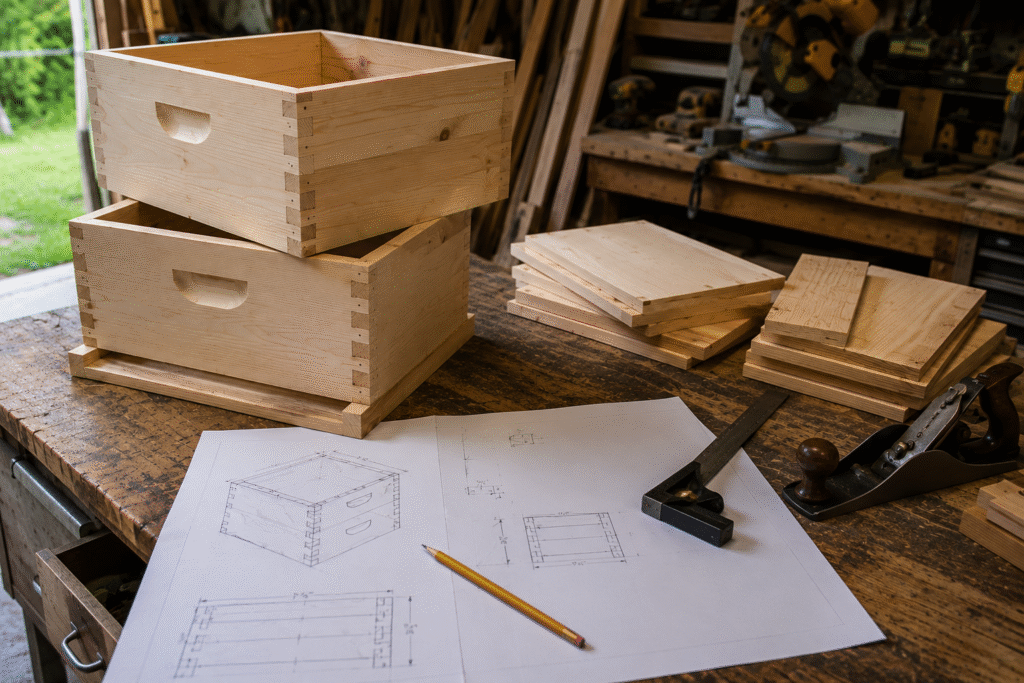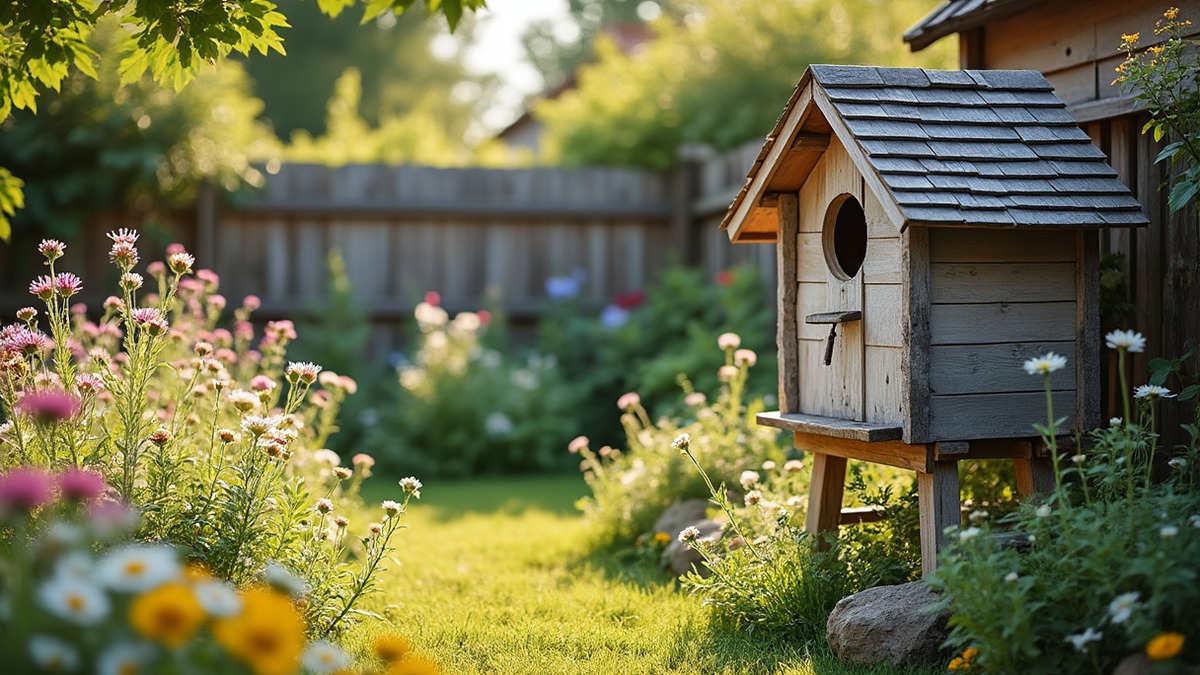
Viral posts about “new backyard bee permissions” rarely name a city, an ordinance section, or a vote date. I read them as a reminder to do homework — the same way I would before adding a shed or a fence — not as proof that my town just changed the rules.
What follows is the checklist I use for U.S. residential lots (as of 2026). City, county, HOA, and state layers all matter; a suburb five miles away can ban hives while your lot allows two.
Find written rules for your address
Start with documents, not forums. On your city or county website and in your HOA packet, look for apiary or beekeeping sections. Save the PDF when you find it, then note:
- Whether beekeeping is permitted in your zoning district
- Hive limits per lot or acre
- Setbacks from property lines, sidewalks, and neighboring homes
- Flyway barriers, fencing, or water requirements
- Any reference to state apiary registration
If beekeeping is not mentioned at all, call the city. A quiet code does not always mean “go ahead.”
Call or email the right office
Planning, zoning, or animal control can explain how the rule works in practice. Questions I ask:
- Is beekeeping allowed on my zoning classification and lot size?
- How many hives are permitted?
- What setbacks and barriers are required?
- Is a water source required on my property?
- Do I need to register with the state apiary program for hobby hives?
- Are there permit fees or annual inspections?
I write down who I spoke with and the date. A short email afterward is worth keeping on file.
Layer in your state (U.S.)
State rules set a floor; city and HOA rules can be stricter. Examples only — always re-check current rules for your state:
- Texas: TAIS covers some registration and inspection topics; hobby keepers still need city approval where ordinances exist.
- California: Local land-use and nuisance rules often lead; permits or registration show up in some counties.
- Florida: County and HOA rules vary widely; planned communities often restrict hives.
- Everywhere else: search “[your state] apiary inspection” or “[your state] department of agriculture bees.”
One state’s forum thread does not set policy for yours.
Talk to neighbors early
Paper rules do not replace neighbors. Tell adjacent neighbors before bees arrive, share a phone number for swarm or concern calls, orient hive entrances away from play areas, and requeen defensive colonies instead of arguing after a sting.
If honey bees are not allowed on your lot
You can still help pollinators: plant native flowers with staggered bloom times, cut back herbicide on flowering weeds, maintain mason bee houses only if you will clean them yearly, and visit a local bee club’s open day instead of keeping hives off the books.
If honey bees are allowed
Before install day I want email or letter OK from city or county, state registration done if required, a sketched stand with setbacks, water running, and mite and swarm notes on the calendar.
Red flags in viral permission stories
- No city or county name
- “Officials say” with no ordinance link or meeting date
- The same paragraph pasted twice
- “Effective immediately” with no adopted code to read
Bottom line
Allowed or not allowed is a local U.S. question, not something a feed post can answer for your address. Your planning desk beats any gardening blog for the final word on your lot.