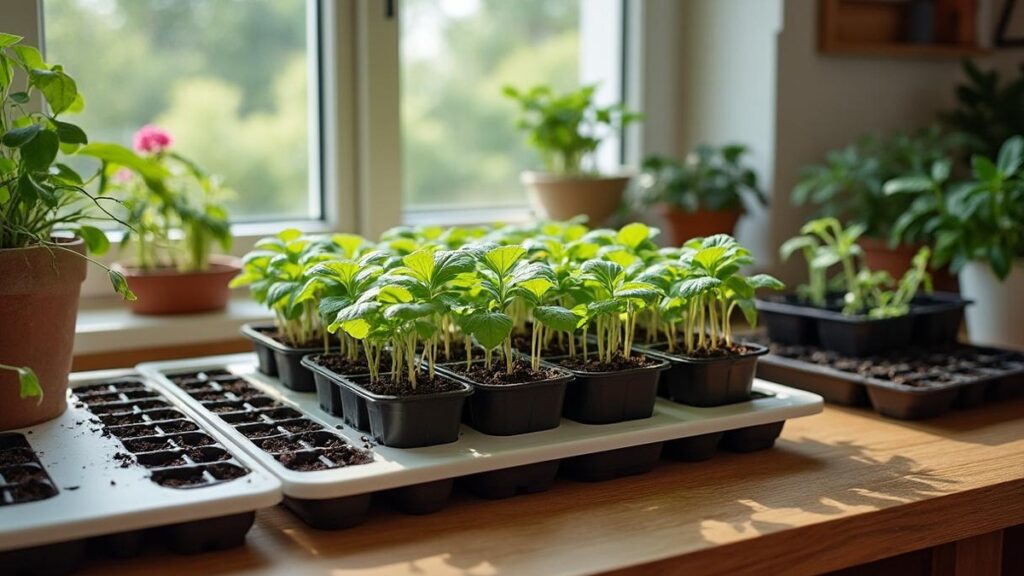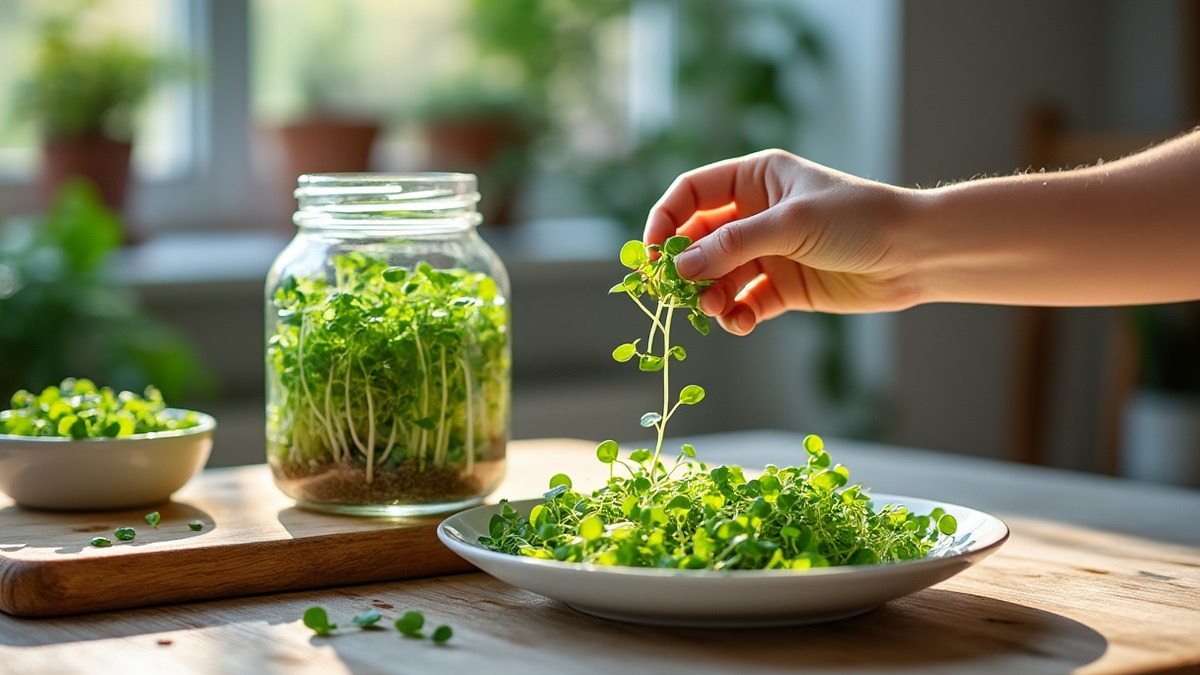
I used to toss both into the same mental bucket — tiny greens, big health halo. Then I grew radish microgreens under a light and alfalfa sprouts in a jar, and realized they are different foods grown in different conditions, with different risks and different strengths on the plate.
Which has more nutrients? The honest answer is it depends on the crop, how you grow it, and what you measure — not a single winner for every vitamin on a chart.
What you are actually eating
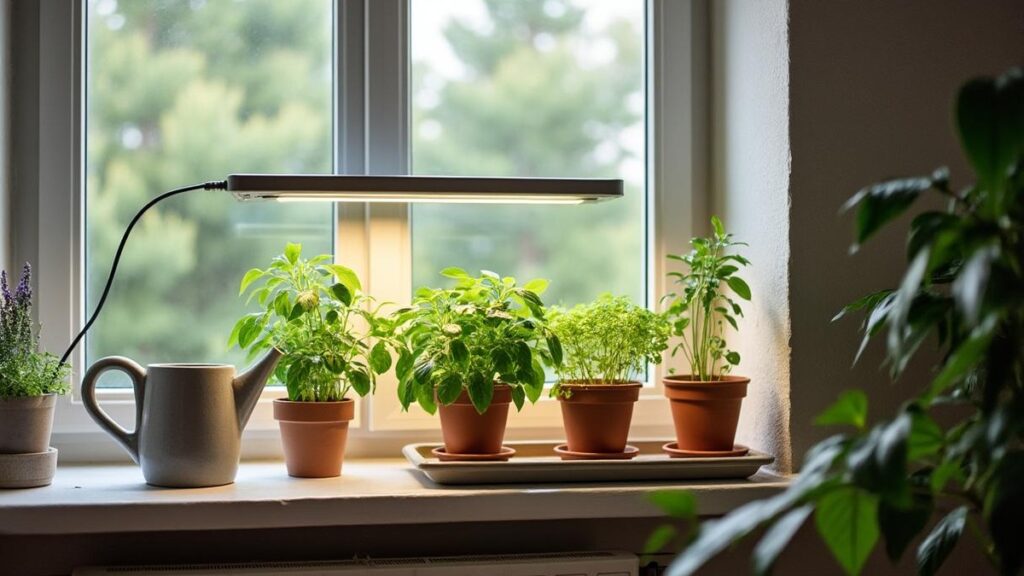
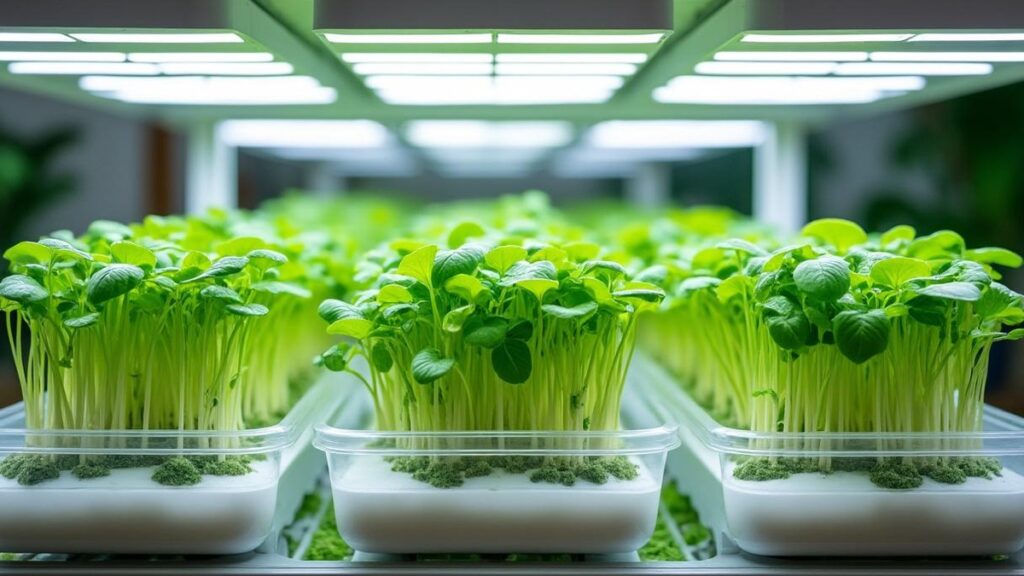
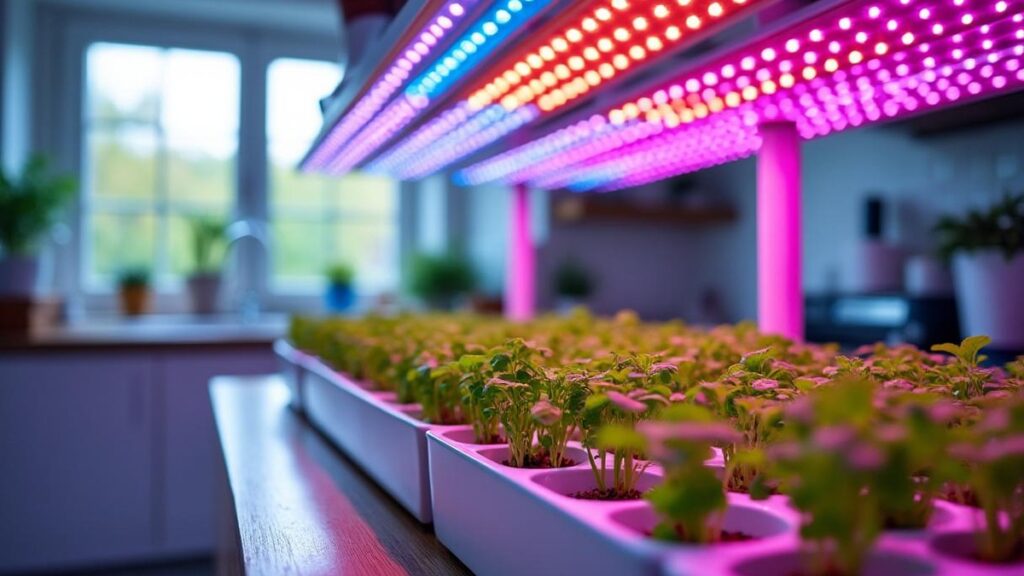
Microgreens are young seedlings grown in medium (or mats), usually under light, harvested above the soil line when cotyledons and often the first true leaves are present — roughly 7–14 days for many varieties.
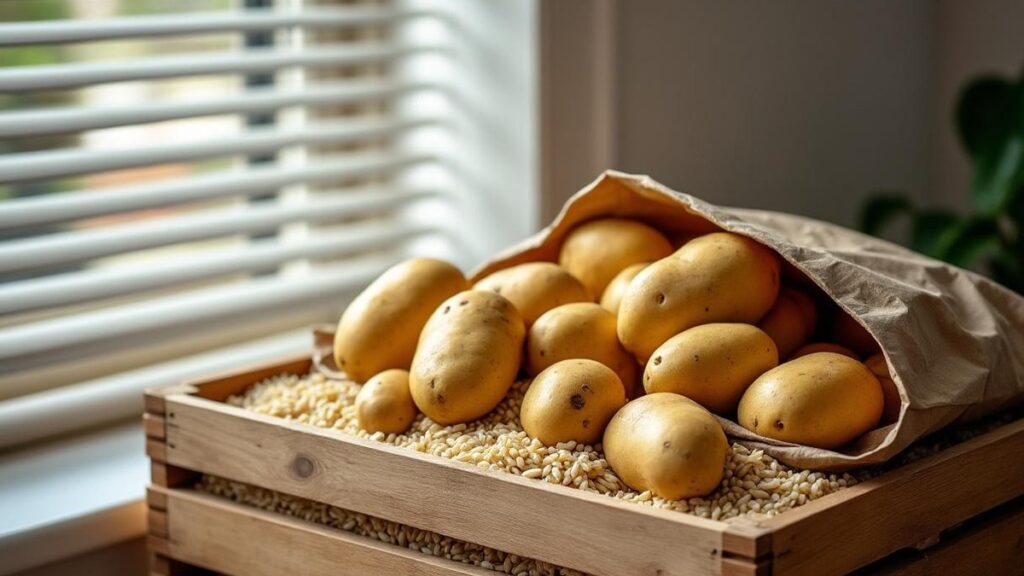
Sprouts are germinated seeds, often grown in a jar or tray with rinse cycles, harvested before or just as leaves expand — sometimes the whole sprout including seed coat is eaten.
Same seed family on the label does not mean the same food in your bowl.
Where microgreens often shine
Research on microgreens (USDA and university work on crops like red cabbage, cilantro, and radish) has found concentrated vitamins and carotenoids per gram compared with mature leaves of the same species — but numbers swing widely by variety and growing conditions.
In my kitchen, microgreens win when I want color, flavor, and garnish density on eggs, tacos, or grain bowls — peppery radish, mild sunflower, broccoli bite.
Where sprouts have a role
Sprouts can be quick and cheap from a jar. Some seeds (mung bean, lentil) are familiar as sprouts in cooking. Enzyme and protein discussions show up often in sprout marketing; treat specific superlative claims skeptically unless tied to a named study and crop.
Food safety matters more for sprouts. Warm, wet sprouting conditions have been linked to outbreaks when seeds carry pathogens. Buy seed labeled for sprouting, follow rinse instructions, and know immuno-compromised households sometimes skip raw sprouts entirely. Microgreens grown in clean medium with airflow are a different risk profile but still need clean water and harvest hygiene.
Comparison at a glance
| Question | Microgreens | Sprouts |
|---|---|---|
| Typical grow time | About 7–14 days with light | Often 3–7 days, jar/tray |
| Grown with | Medium + light | Rinse cycles, low light |
| Usually eaten | Stems and leaves above soil | Whole sprout, sometimes root/seed |
| Flavor on plate | Strong garnish, salad base | Crunch in stir-fries, salads |
| Home difficulty | Needs tray + light | Jar method is simple |
| Raw-safety caution | Mold if overwatered | Pathogen risk if mishandled |
Do not read the table as “microgreens always beat sprouts on vitamin X” — lab results are crop-specific.
A common mistake
Assuming interchangeable nutrition because both are small and green. Broccoli microgreens under LED light are not the same food as broccoli sprouts rinsed in a jar; your body and your recipes care about the difference.
How I choose week to week
- Microgreens when I have a light shelf and want salad volume or farmers-market-style garnish
- Sprouts when I want mung beans for a stir-fry or a fast jar experiment — with clean seed and strict rinsing
- Neither as a magic pill; both are vegetables, not supplements
Bottom line
Neither label wins every nutrient race. Microgreens usually give more culinary variety and controlled growing conditions under light. Sprouts win on speed and simplicity for some crops, with extra attention to seed quality and food safety.
Pick based on how you cook, how you grow, and which crop you actually enjoy eating — not a generic headline that declares one tiny plant the universal champion.