Most cities regulate honey bee hives — not whether a native sweat bee visits your basil. Confusing wild pollinators with backyard honey bees leads to bad headlines and odd ordinances in your head.
You can improve pollinator health without inventing a fake city program.
Two different animals
Honey bees (Apis mellifera):
- Live in managed colonies you inspect
- Compete for flowers with other pollinators when forage is thin
- Need mite treatment, swarm management, neighbor relations
Native wild bees (bumblebees, mason bees, sweat bees, etc.):
- Mostly solitary or small colonies
- Often nest in soil, hollow stems, or cavities
- Rarely need a beekeeper — need habitat
Habitat that helps natives (and does not require a hive)
- Continuous bloom March through frost in your region
- Bare soil patches in sunny spots for ground nesters (where safe and HOA allows)
- Stem bundles or bee hotels for mason bees — clean annually or skip hotels
- Pesticide reduction — especially on flowering weeds you did not mean to kill
- Single species mass plantings less useful than mixed drifts
When to add honey bees anyway
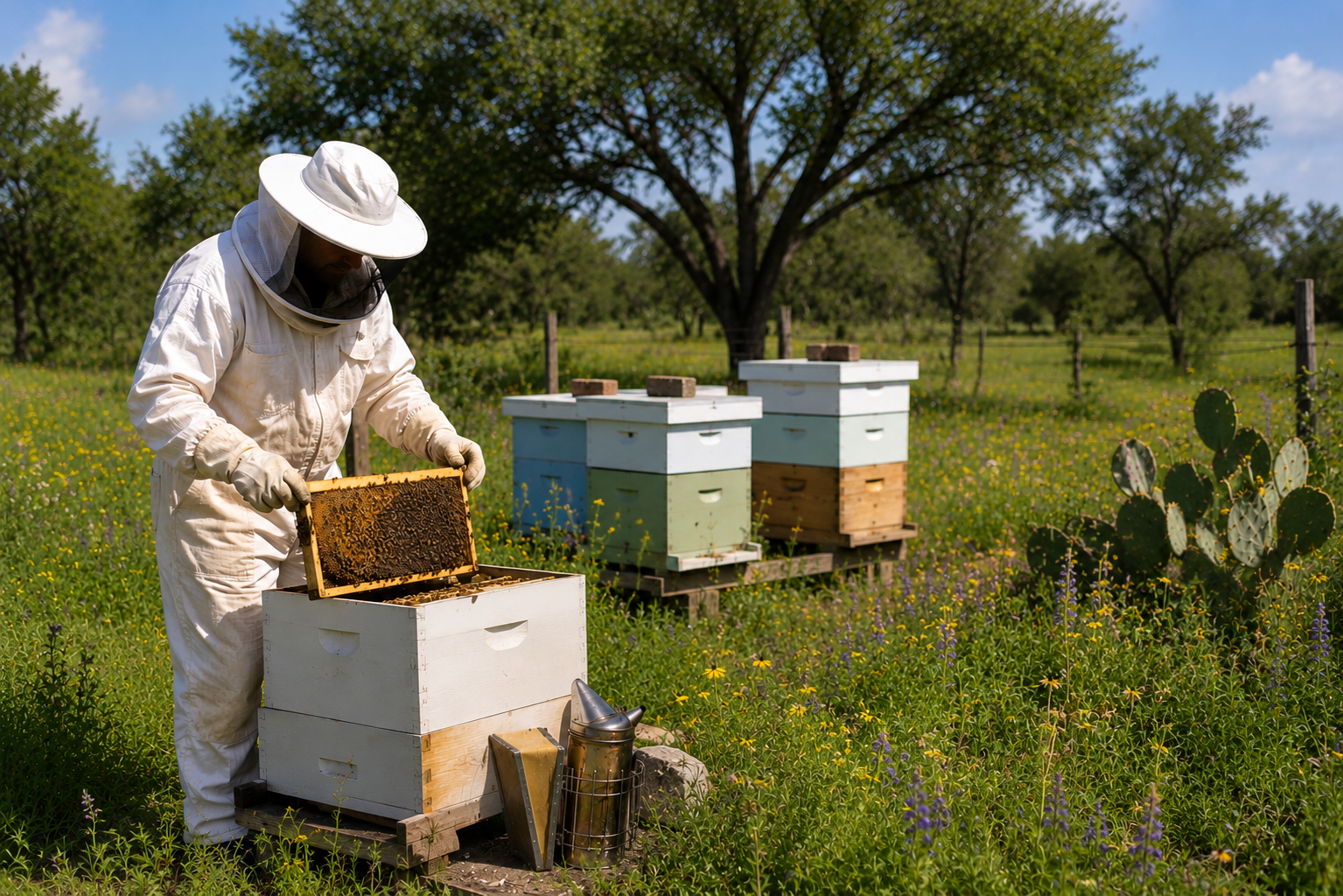
Add hives only if:
- You have time to inspect every 7–10 days in spring
- Local law and HOA allow managed apiaries
- Forage exists beyond one ornamental cherry tree
- Neighbors are informed
Skip hives if your goal is only “save bees” — plant habitat first; it is cheaper and often more impactful for native diversity.
Managed hive placement still matters
Flight paths above head height, water on your land, gentle genetics, varroa plan.
Myth cleanup
- One backyard hive does not replace regional pollinator conservation
- “Wild bee bans” in viral articles are usually mangled reporting — read your municipal code PDF
- Honey bees are livestock, not wildlife — register and manage accordingly where required
Seasonal checklist
| Season | Habitat action | Hive action (if kept) |
|---|---|---|
| Spring | Plant succession blooms | Swarm prevention inspections |
| Summer | Water, shade for garden | Mite monitoring |
| Fall | Leave some stems standing | Winter stores check |
| Winter | Plan next year’s seed list | Equipment repair |
Your yard can be pollinator-positive with or without a white box. Start with flowers and policy facts; add honey bees only when you are ready to be a manager, not a headline reader.