My second bee season still had me buying sugar while Instagram implied I should be funding a truck. Side income from bees is real in the United States — it is also slow, seasonal, and easy to erase with one bad varroa year.
All dollar amounts below are rough U.S. ranges in USD for backyard and sideline beekeepers in 2026. Honey is sold by the pound in most farmers markets. Canada, the UK, Australia, and New Zealand use different costs, labeling rules, and registration — adjust locally.
Startup cash you will spend before revenue
Typical first-year cash outlay for one hive setup:
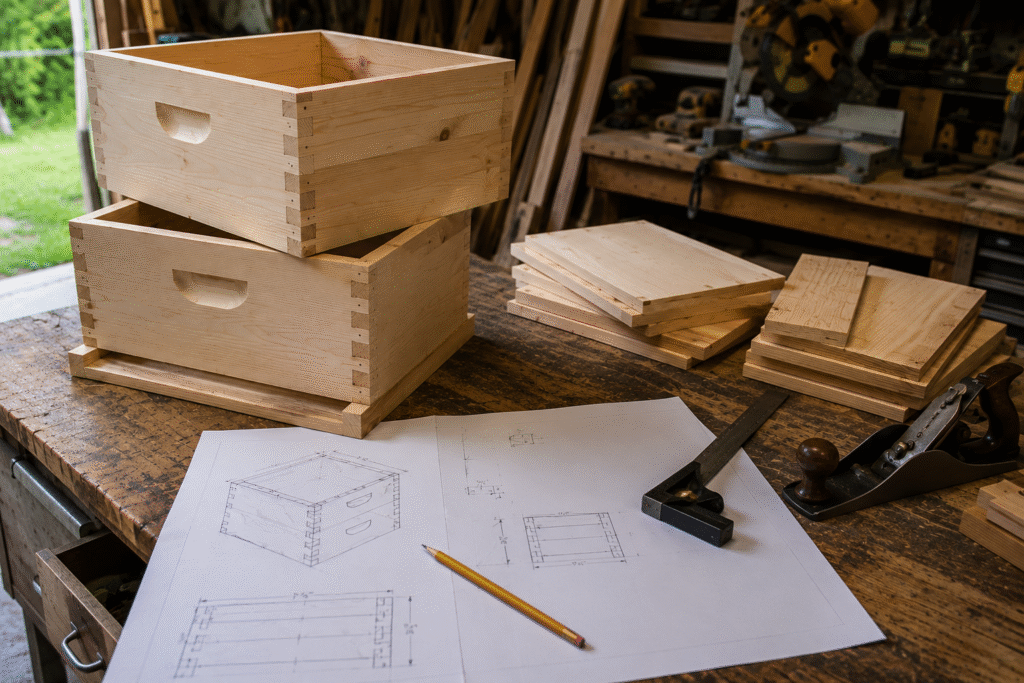
- Hive woodware or kit: roughly $200–600
- Bees (package or nuc): roughly $150–250
- Veil, suit, gloves: roughly $80–200
- Tools, smoker, feeder: roughly $50–150
- Mite treatments and feed: roughly $50–100+
- Jars and labels if selling honey: variable
Many beekeepers spend roughly $500–1,200 to start one hive properly. Plan on reinvesting early honey money into a second hive or replacements.
What one strong hive can gross (not net)
Honey surplus varies wildly by climate and year. A productive hive might yield roughly 30–60+ pounds of harvestable honey in a good season — and near zero in a drought or first build-up year.
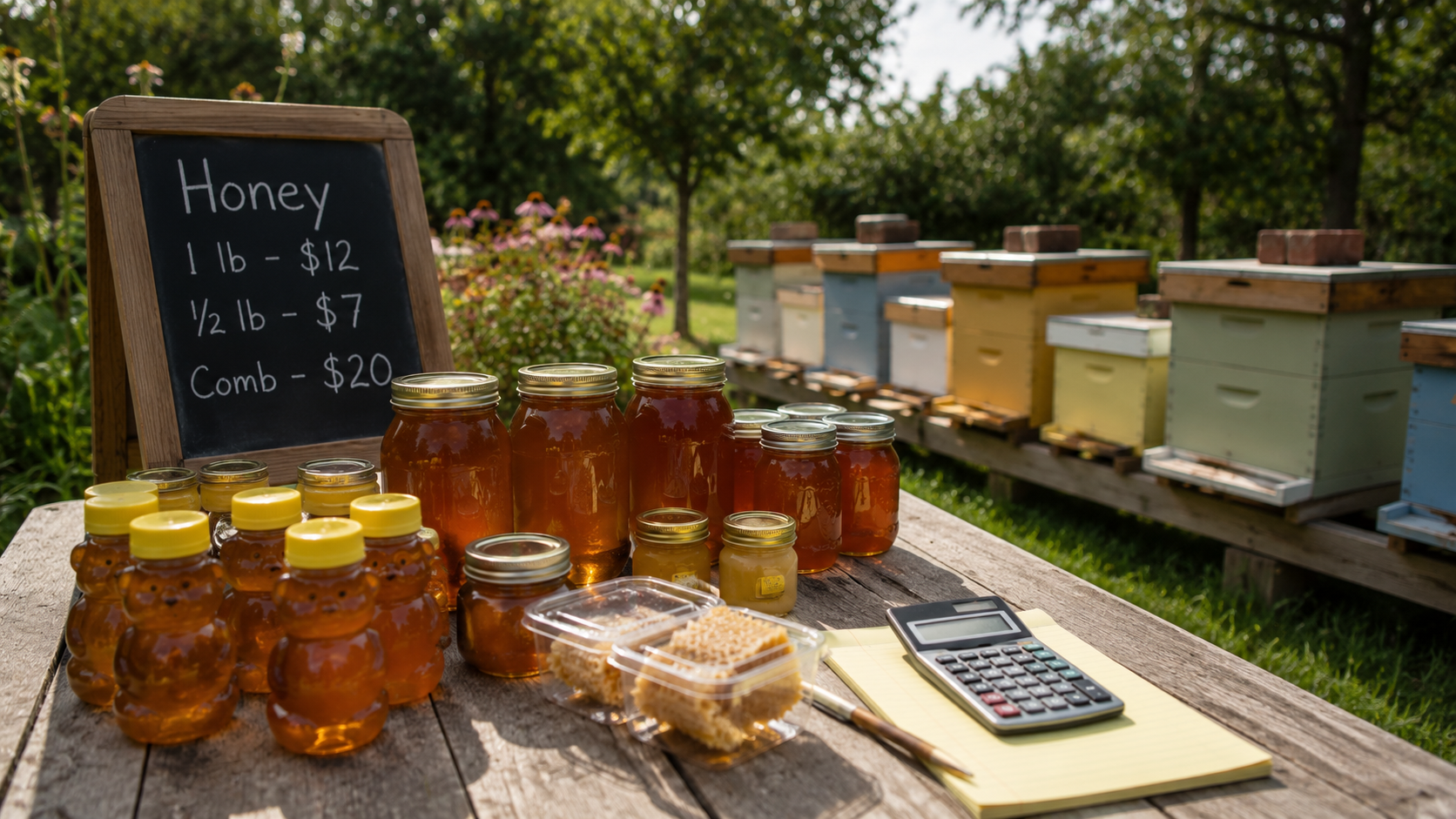
Direct retail at a farmers market often lands around $8–15 per pound for local raw honey in many U.S. regions. One hive at 40 lb and $12/lb is $480 gross — before jars, fuel, time, and colony loss.
Wholesale or bulk sales pay far less per pound. Price locally by walking the market, not by national averages alone.
Other income streams (once you are competent)
- Nucs (starter colonies): often roughly $150–250 each when you can raise quality locals
- Queens: smaller dollar amounts, higher skill
- Wax products: candles, balms — labor-heavy, branding matters
- Paid swarm calls or removals: require insurance, registration, and real experience in some states
- Pollination contracts: commercial scale, not backyard default
Year-by-year expectations
| Year | Realistic focus | Income expectation |
|---|---|---|
| 1 | Learn inspections, mites, feeding | Often $0 net; maybe hobby honey |
| 2 | Stabilize overwintering, maybe 2–3 hives | Small local sales if surplus exists |
| 3+ | Splits, brand, repeat customers | Side cash possible if losses stay low |
Southeast flows can run longer; northern yards have shorter windows.
Costs people forget to subtract
- Colony replacement after failure ($150–250+)
- Sugar feed in dearth
- Treatment products twice a year in many regions
- Time at minimum wage makes “profit” look different
How I treat sideline money
One profit center per season: year A sell honey, year B raise nucs. Tracking separate bank deposits keeps the hobby honest at tax time too (consult a tax pro for your state).
When bee income is a bad goal
If you need fast cash, bees are the wrong tool. If you dislike opening hives in July heat, sales will not fix that.
Bottom line
Beekeeping side income for most backyard keepers is jar sales plus occasional nuc money — think hundreds to low thousands annually at small scale when management is solid — not a second salary unless you scale hives, trucking, or services professionally.
Build skill first. Let revenue follow surplus honey and healthy colonies.