
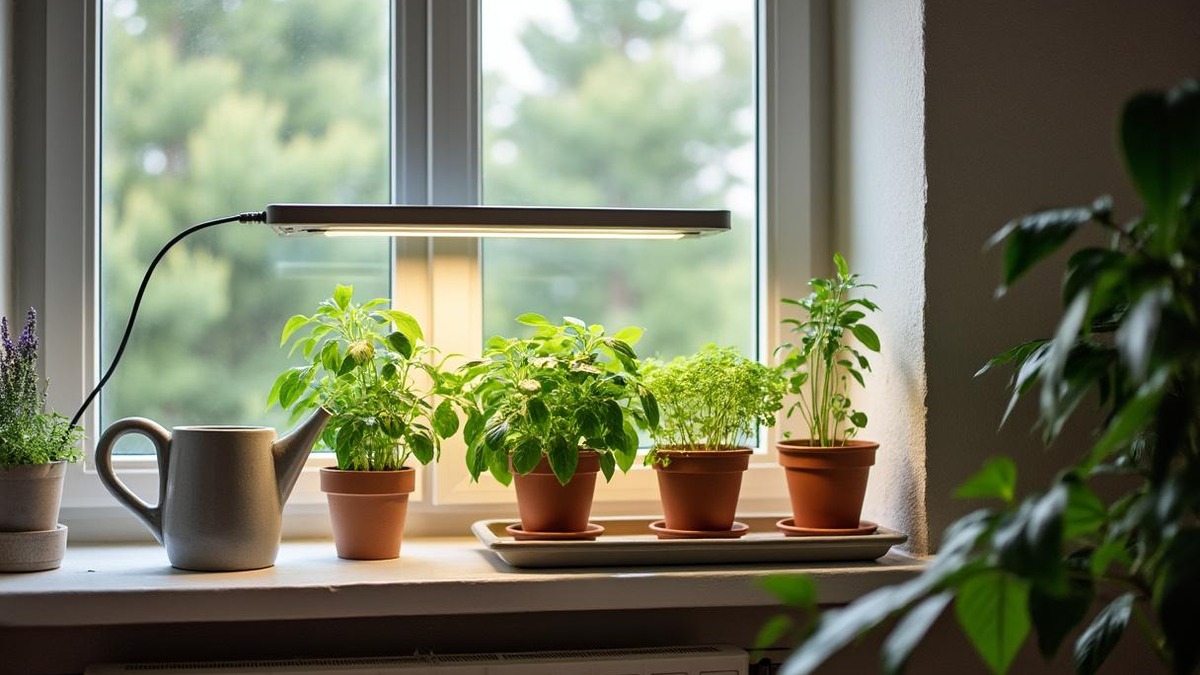
Fresh herbs can completely change the flavor of everyday cooking, but constantly buying small bundles from the grocery store gets expensive fast. The good news is that many herbs grow exceptionally well indoors, even if you don’t have outdoor space or gardening experience.
With the right light, watering routine, and container setup, it’s possible to keep basil, mint, rosemary, thyme, and other herbs thriving year-round. Indoor herb gardening also gives you more control over temperature and moisture, which often leads to healthier plants and a more reliable harvest than outdoor growing.
Why Indoor Herbs Often Grow Better Than Expected
Many common kitchen herbs naturally adapt well to containers and smaller growing spaces. Indoors, they’re protected from heavy rain, strong wind, pests, and sudden temperature swings that can damage delicate leaves outdoors.
Consistent indoor conditions are especially helpful during hot summer months, when outdoor herbs may dry out quickly or become stressed from intense afternoon heat. By controlling sunlight exposure and watering more carefully, indoor plants can continue producing fresh growth for much longer.
Choosing the Best Location
Most herbs need at least six hours of light each day. A south-facing window usually works best, although east-facing windows can also support healthy growth for herbs like parsley, mint, and chives.
If natural light is limited, a small LED grow light can make a major difference. Even inexpensive grow lights help maintain steady growth during winter or in apartments with limited sunlight.
Good airflow also matters. Avoid placing herbs directly next to air conditioners, heating vents, or constantly open windows, since sudden temperature changes can weaken plants over time.
Containers and Soil Matter More Than Most People Think
Drainage is one of the most important parts of indoor herb gardening. Containers should always have drainage holes to prevent excess moisture from sitting around the roots.
Plastic pots tend to retain moisture longer, while terracotta dries out faster and may require more frequent watering during summer. Both can work well depending on your climate and watering habits.
Use a lightweight potting mix rather than garden soil. Indoor herbs grow better in loose, well-draining soil that allows oxygen to reach the roots.
The Easiest Herbs to Grow Indoors
Some herbs adapt indoors more easily than others. Beginners usually have the most success with:
- Basil
- Mint
- Thyme
- Oregano
- Chives
- Parsley
Rosemary and lavender can also grow indoors successfully, but they typically need stronger light and slightly drier conditions than softer herbs like basil or mint.
Mint deserves special attention because it spreads aggressively. Keeping it in its own container prevents it from overtaking nearby plants.
Avoiding the Most Common Watering Mistakes
Overwatering kills more indoor herbs than underwatering. Many herbs prefer slightly dry soil between waterings, especially rosemary, thyme, oregano, and sage.
Instead of watering on a fixed schedule, check the top inch of soil with your finger first. If it still feels damp, wait another day before watering again.
Herbs like mint and basil usually need more moisture than woody Mediterranean herbs, so grouping plants with similar watering needs can make maintenance easier.
Fertilizing Without Losing Flavor
Herbs generally don’t need heavy feeding. Too much fertilizer—especially high-nitrogen blends—can reduce the concentration of oils that give herbs their aroma and flavor.
A mild balanced fertilizer every few weeks during active growth is usually enough. Diluting fertilizer slightly more than the package recommends is often safer for container herbs grown indoors.
Pruning Helps Herbs Stay Productive
Regular harvesting encourages fuller, bushier growth. Instead of removing large amounts at once, trim herbs gradually and consistently.
For basil, pinching off the top sets of leaves helps prevent early flowering and keeps the plant producing new shoots. Woody herbs like rosemary and thyme also benefit from occasional trimming to maintain their shape and encourage fresh growth.
As a general rule, avoid removing more than one-third of the plant at a time so it can continue growing without stress.
Final Thoughts
Growing herbs indoors year-round doesn’t require expensive equipment or advanced gardening skills. With adequate light, proper drainage, and moderate watering, even a small kitchen counter can produce a steady supply of fresh herbs throughout every season.
Beyond convenience, indoor herb gardens make cooking easier, reduce waste, and add fresh fragrance and greenery to everyday living spaces.