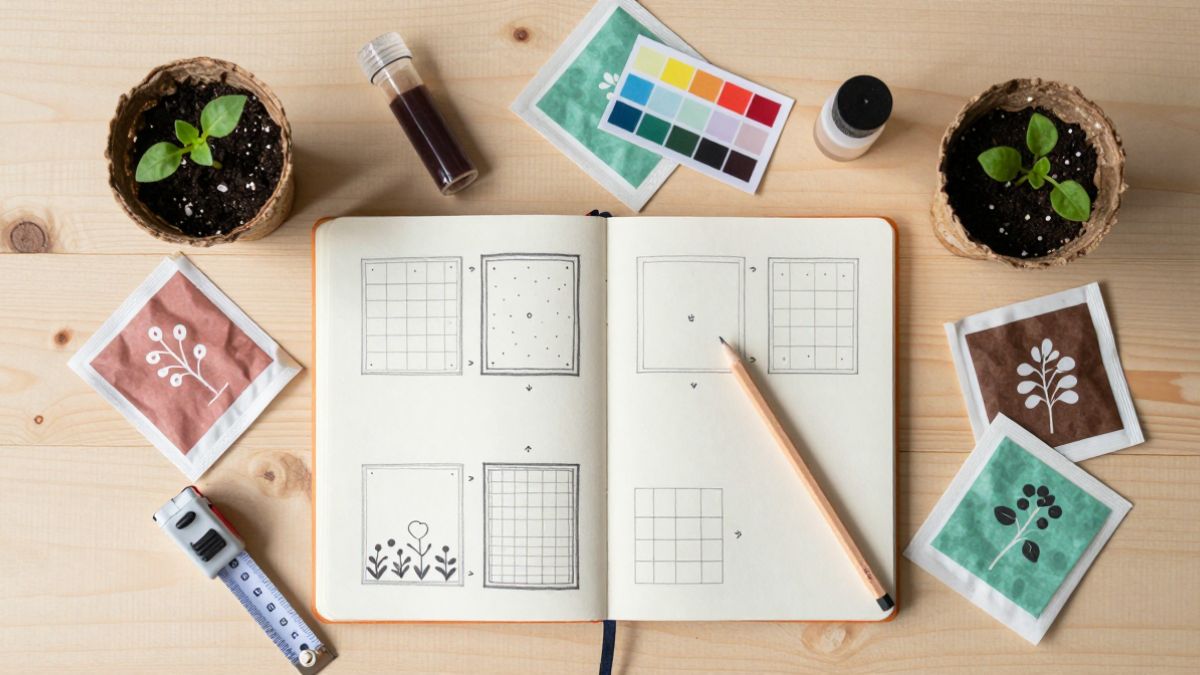
Picture this: next planting season, you’re sipping your morning drink while admiring thriving tomato and chilli plants, confident vegetables, and herbs that actually smell like something. No panic. No guesswork. Just you, knowing exactly what to do.
That’s what happens when you stop winging it and start learning the right way.
A gardening course isn’t just about following instructions—it’s about shortcutting the decade of dead plants most of us endure. We’ve all been there: overwatering succulents, planting tomatoes in shade, wondering why our basil looks sad. A structured course compresses those painful lessons into weeks, not years.
But before you hand over your credit card, let’s talk about what you actually need to learn.
The 5 core skills every worthwhile course should teach
If a gardening program doesn’t cover these fundamentals, keep scrolling.
1. Soil composition and pH balance
This is the foundation—literally. You’ll learn why sandy soil drains fast (great in rainy climates, a nightmare in hot, dry regions) and how clay soil holds moisture. Whether you’re working with clay, sand, or the rocky soil common in many regions, you’ll learn to read what you have and amend it properly. No more guessing why nothing grows.
2. Watering strategy (not just frequency)
Most beginners either drown plants or let them die of thirst. The right course teaches you to read plant stress signals—whether you’re dealing with scorching heat, unpredictable rains, or temperate conditions. You’ll learn that fruiting plants need deep watering while leafy greens prefer consistent moisture, and how to adjust when nature doesn’t cooperate.
3. Pruning and plant maintenance
Deadheading, pinching back, removing suckers—these aren’t fancy terms, they’re survival skills. Proper pruning increases yield, prevents disease, and keeps plants productive. This is where hobbyists separate from people who actually harvest food.
4. Pest and disease identification
You need to spot aphids, whiteflies, and fungal diseases before they spread—and know which bugs are actually your allies. The best courses teach integrated pest management, how to handle problems without nuking your garden with chemicals.
5. Garden planning and succession planting
This is the skill that turns a garden into a reliable food source. You’ll learn which plants mature fast, how to stagger plantings for continuous harvest, and what grows well together. It’s the difference between eating tomatoes for two weeks and having fresh produce for months.

Online vs in-person: what actually matters
Online courses give you flexibility and endless replay options. In-person classes offer hands-on practice and immediate feedback when you’re elbow-deep in compost.
Here’s the truth: the format matters less than the instructor’s experience. Look for teachers who’ve actually grown food in YOUR climate—not just someone with a perfect garden in completely different conditions.
Red flags that scream “skip this course”
Be wary of programs that promise “secret techniques” or “gardening hacks.” Good gardening isn’t secret—it’s science mixed with observation.
Also watch out for courses that focus heavily on aesthetics over function, or those taught by influencers with suspiciously perfect gardens and no dirt under their nails.
Start learning right now (for free)
While you’re deciding on a course, tap into local agricultural universities, community gardens, or government horticulture programs—most offer free resources and soil testing.
YouTube is gold if you’re selective. Search for educators in your climate zone who show their failures alongside successes.
The goal isn’t to become a master before starting a course. It’s to build enough knowledge that you can evaluate whether a program is actually worth your investment.
Planting season waits for no one. The question is whether you’ll repeat last year’s mistakes or finally grow with confidence.