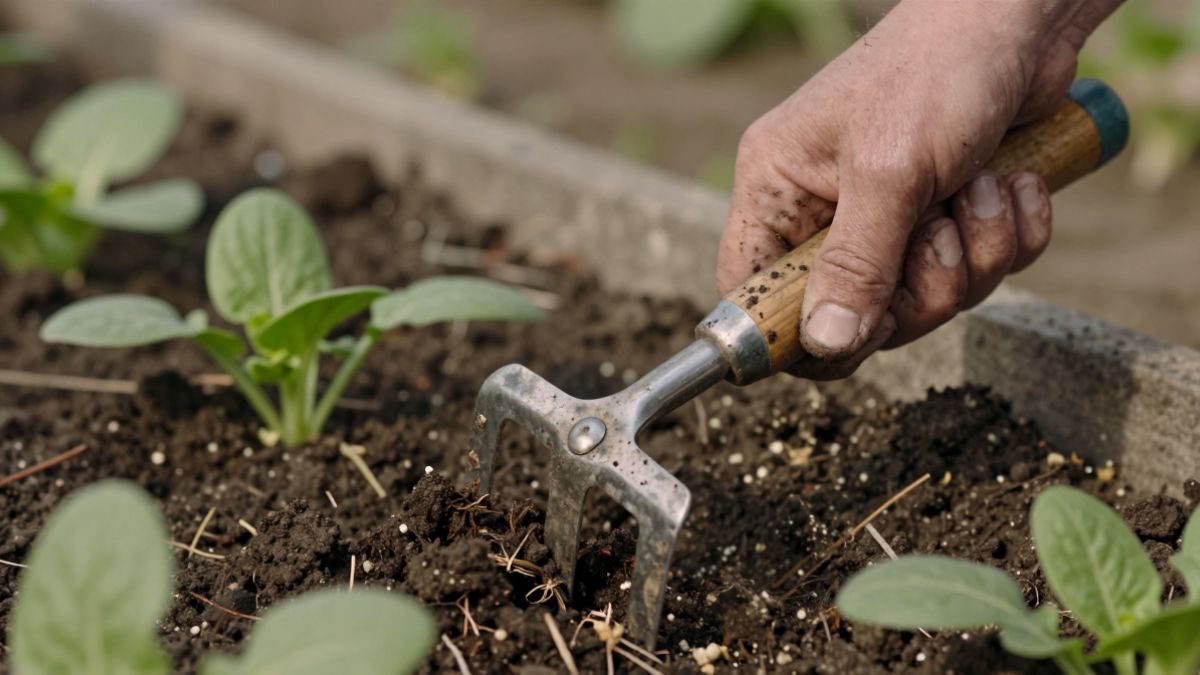
Why are experienced gardeners quietly reaching for a hand cultivator right now—and why does it seem to fix problems that fertilisers and sprays never touch?
Across India, from balcony growers to kitchen-garden veterans, this small, old-school tool is having a moment. Not because it’s trendy, but because it solves three frustrations at once: stubborn weeds, compacted soil, and tired plants that just won’t perk up.
Let’s break down what it really does, how to choose one in 30 seconds, and how to use it without damaging roots.
What a hand cultivator is (and the two types that matter)
A hand cultivator is a short-handled tool with metal tines designed to work the top layer of soil. Think of it as a gentle soil “wake-up call,” not a digging weapon.
There are two main types you’ll see:
- Claw cultivator (3–5 curved tines): Best for loosening soil, breaking crusts, and mixing compost into the top 3–5 cm.
- Fork cultivator (straight, pointed tines): Better for precise weeding around plants and aerating tighter spaces like pots.
If you garden in containers or raised beds, the claw type is usually enough. For dense beds or closely spaced crops, the fork gives more control.

What gardeners actually use it for (hint: it’s not digging)
The hand cultivator shines in small, frequent jobs that make a big difference over time.
Its best uses include:
- Weeding young weeds: It uproots them before they establish deep roots.
- Aerating compacted soil: Especially after watering or rain, when soil forms a hard crust.
- Top-dressing: Mixing vermicompost or organic manure evenly into the surface.
- Improving water absorption: Loosened soil allows water to soak in instead of running off.
In Indian conditions—where clay-heavy soil and heat are common—this tool helps roots breathe without stressing the plant.
The mistakes that quietly wreck roots
Used incorrectly, a hand cultivator can do more harm than good. These are the most common errors:
- Going too deep: Anything deeper than 5–7 cm risks cutting feeder roots.
- Pulling toward the stem: This can loosen the plant itself instead of the soil.
- Using it on very dry soil: Hard soil resists the tines and leads to forceful, damaging movements.
The goal is surface work, not excavation.

How to use a hand cultivator properly in five minutes
You don’t need technique videos or strength. Just follow this simple flow:
- Water lightly first (or work after rain). Soil should be moist, not muddy.
- Hold the tool at a shallow angle, almost flat to the soil.
- Pull away from the plant, using short, gentle strokes.
- Stop at the top layer—you’re loosening, not digging.
- Finish by levelling the soil with your hand or the back of the tool.
Done once a week, this replaces aggressive weeding sessions and keeps soil consistently healthy.
The 30-second test to choose the right one
Standing in a shop or scrolling online? Use this quick test:
- Grip: Handle should feel comfortable without squeezing hard.
- Weight: Light enough for one-handed use over several minutes.
- Tines: Stainless steel or coated steel resists rust in humid climates.
- Spacing: Wider tines for open beds, narrower for pots.
Avoid very cheap models with thin, bendable tines. They fail just when you need control.

Budget vs. pro picks (and how to make any last longer)
A basic hand cultivator works well for most home gardeners. More expensive models usually offer:
- Better ergonomics (less wrist strain)
- Thicker, longer-lasting tines
- Rust-resistant finishes
To extend the life of any cultivator:
- Rinse and dry after use
- Store out of rain
- Occasionally wipe with a light coat of oil
It’s a five-minute habit that adds years to the tool.
Why it’s trending now—and why it will stick
As more gardeners shift toward low-input, soil-first gardening, tools that support soil health—not just plant appearance—are getting attention. The hand cultivator fits perfectly into this mindset.
It’s quiet, affordable, and surprisingly powerful when used correctly.
If your plants look “stuck” despite regular care, this might be the simplest change with the biggest payoff.