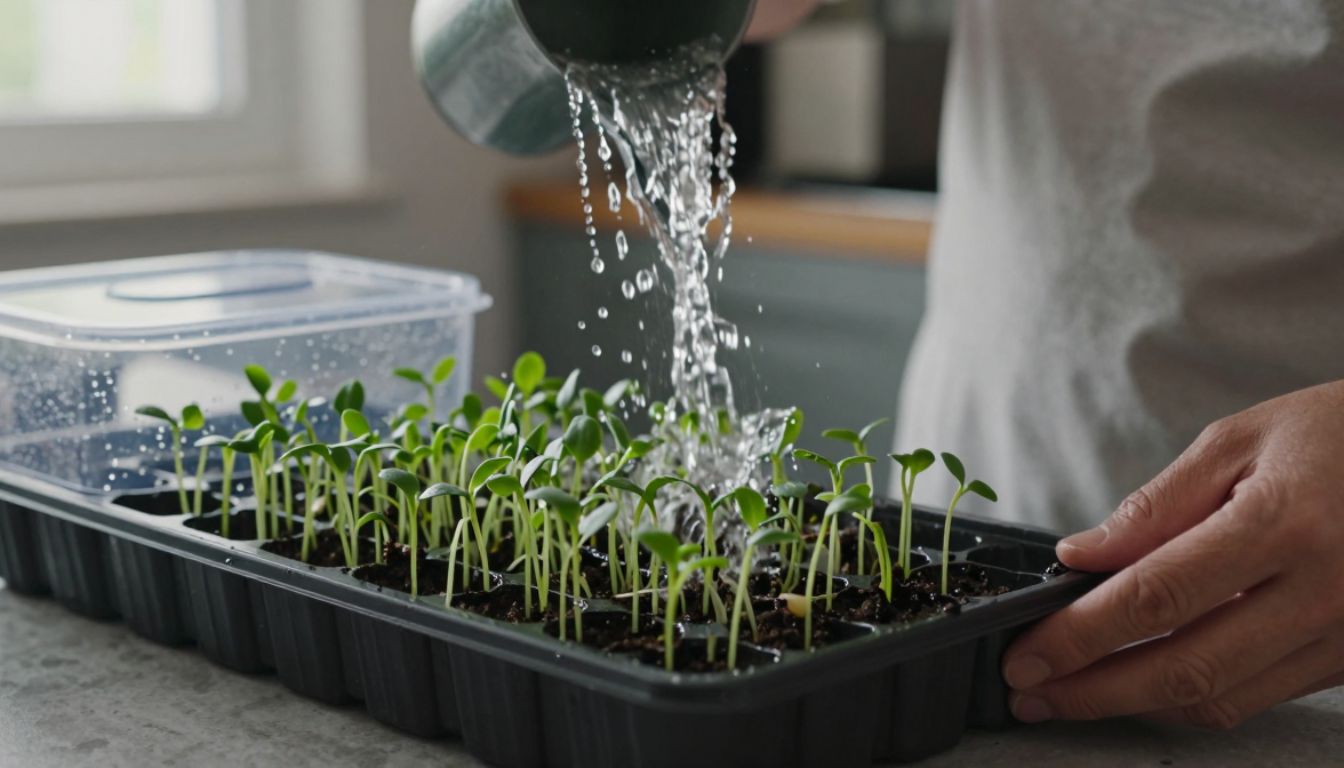
You water them perfectly, they sprout beautifully, and then—seemingly overnight—your microgreens turn into a slimy, foul-smelling mess. If you’ve ever watched a promising tray collapse in less than 48 hours, you’re not imagining things. That narrow window between healthy greens and total rot is real, and the decisions you make in the first two days after germination determine whether your crop thrives or dies.
Most growers don’t realize that microgreens are at their most vulnerable between hours 24 and 72 post-sprouting. During this phase, the seedlings are transitioning from relying on stored energy to developing their root systems and first true leaves. Any misstep—overwatering, poor airflow, or contaminated growing medium—creates the perfect storm for fungal and bacterial collapse. Understanding this critical window is the difference between a crisp, profitable harvest and a compost bin full of regret.
Why the 48-hour window is so dangerous
Microgreens grow fast, which is both their appeal and their Achilles’ heel. In the first 48 hours after the cotyledons (seed leaves) emerge, the stems are tender, the root mat is still forming, and moisture levels are difficult to balance. Too much water and you drown the roots; too little and the seedlings dry out and stunt.
But water alone isn’t the villain. The real culprit is stagnant moisture combined with warmth. When trays sit in a humid, still environment—especially in the 65–75°F range—pathogens like Pythium (damping-off disease) and Fusarium spread rapidly through the root zone. Once infection starts, it can wipe out an entire tray in 12 to 24 hours.
Another overlooked factor: seed quality and pre-soak contamination. If seeds carry surface bacteria or if your pre-soak water isn’t clean, you’re introducing pathogens before you even plant. By the time symptoms appear, it’s often too late.

The five mistakes that trigger collapse
Here’s what goes wrong in that critical 48-hour window:
Overwatering immediately after germination. New growers often spray or bottom-water too generously once they see sprouts. The seedlings don’t need much water yet—their roots are shallow and the growing medium still holds moisture from the germination phase. Excess water pools at the base, suffocates roots, and invites rot.
Poor air circulation. Stacking trays, covering them too long, or growing in a closed room without a fan creates a stagnant microclimate. Fungal spores thrive in still air. Even a small clip-on fan running on low can cut your failure rate dramatically.
Using contaminated or compacted growing medium. Reusing soil, using garden compost, or packing the medium too tightly restricts oxygen flow to the roots. Microgreens need a light, well-draining base—coconut coir, peat, or hemp mats work best. If your medium smells musty or clumps when wet, toss it.
Ignoring temperature swings. A warm day followed by a cool night causes condensation inside trays and on dome lids. That moisture film is a fungal playground. If you’re growing indoors, aim for stable temps between 65–72°F and remove humidity domes as soon as greens are 1–2 inches tall.
Failing to sanitize trays and tools. Residue from previous grows—especially if a tray had rot before—carries over pathogens. Wash trays with diluted hydrogen peroxide or a 10% bleach solution, rinse thoroughly, and let them dry completely before reuse.
What to do in the first 48 hours to prevent disaster
The good news: most early failures are preventable with a few simple habits.
Day 0–1 (germination phase): After seeding, mist lightly and cover with a humidity dome or second tray. Keep in dim light or darkness depending on the variety. Check once daily for mold or off smells. If you see white fuzz that isn’t root hairs, increase airflow immediately.
Day 1–2 (emergence): Once sprouts break the surface, remove the cover or prop it open slightly. Introduce gentle airflow with a fan. Water only if the top layer of the medium feels dry to the touch—use a spray bottle, not a hose. Avoid watering in the evening; morning watering gives excess moisture time to evaporate during the day.
Day 2–3 (early growth): Transition to bright, indirect light (or grow lights 12–16 hours/day). Continue bottom watering if possible, or mist the surface lightly. Watch for yellowing, wilting, or a sour smell—these are early warning signs. If you catch damping-off early, you can sometimes isolate the affected area and increase airflow to save the rest of the tray.
Sanitation checklist: Before every grow, sanitize trays, rinse seeds in diluted hydrogen peroxide (1 tsp per cup of water) for 5 minutes, and use fresh, sterile growing medium. It’s tedious, but it’s the single most effective way to prevent rot.

How to tell if your microgreens are dying (and what to do)
Early symptoms are easy to miss. Look for:
- Stems that look water-soaked or translucent near the soil line
- Seedlings that topple over in clumps
- A sour, musty, or ammonia-like smell
- White or gray fuzz that isn’t fibrous root hairs (root hairs are fine and delicate; mold is cottony)
If you catch it early, increase airflow immediately, stop watering, and move the tray to a cooler spot. Sometimes you can salvage part of the tray by cutting away the affected section. If the rot is widespread or the smell is strong, compost the tray and start over. Don’t try to salvage seeds or medium from a failed grow.
The long-term habits that keep your greens crisp
Once you get past the 48-hour danger zone, microgreens become much more forgiving. But consistency is key.
Water from the bottom whenever possible. Use a shallow tray underneath your growing tray and let the roots wick up moisture. This keeps the surface drier and reduces fungal risk.
Harvest at the right time. Most varieties are ready 7–14 days after seeding. Waiting too long increases the chance of mold and reduces flavor. Cut just above the soil line with clean scissors.
Rotate varieties and trays. Growing the same variety in the same tray repeatedly can build up pathogens. Rotate crops and give trays a deep clean between uses.
Track your environment. Keep a simple log: date seeded, variety, temperature, watering schedule, and any issues. Patterns will emerge, and you’ll learn what works in your specific setup.

Your next steps
If you’ve lost trays to rot before, you’re not alone—and you’re not doomed to repeat it. The 48-hour window is unforgiving, but it’s also predictable. Start with one or two trays, focus on airflow and sanitation, and resist the urge to overwater. Check your trays twice daily during the first three days, and trust your nose—if something smells off, it probably is.
Microgreens are one of the fastest, most rewarding crops you can grow, but only if you respect the biology. Get the first 48 hours right, and everything else falls into place. Your next tray of crisp, vibrant greens is just two days of attention away.