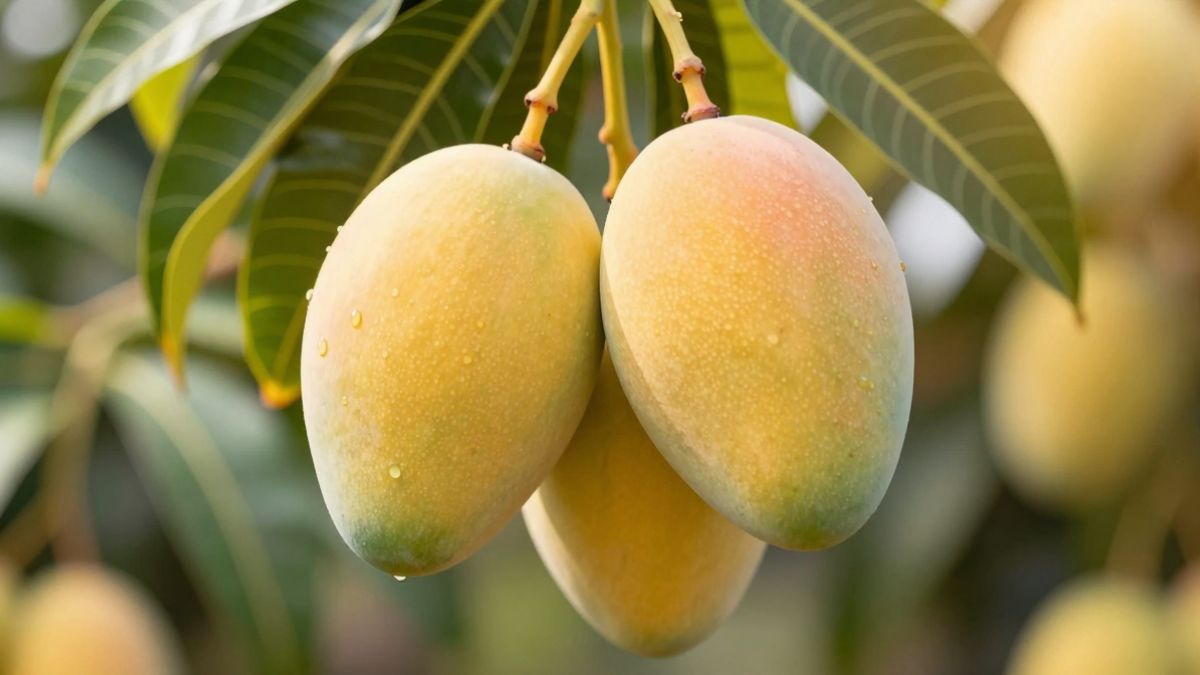
A single careless cut in December can strip away an entire season’s worth of mangoes. While your neighbor’s tree groans under golden fruit next summer, yours might stand bare—not because of pests or disease, but because you pruned the wrong branch at the wrong time.
Mango trees in India don’t forgive poor timing. Unlike temperate fruit trees that bloom on new wood, mangoes flower on mature shoots from the previous season. Cut those away now, and you’ve deleted next year’s harvest before it even begins.
Quick diagnosis: Know your tree before you cut
Before you pick up the secateurs, step back and observe. A young mango tree under four years old needs minimal pruning—just enough to shape a strong framework. Over-pruning young trees delays fruiting by years.
Mature trees, however, develop dense canopies that block sunlight and trap humidity, inviting fungal disease. Look for these signs that pruning is necessary:
- Branches crossing and rubbing against each other
- Dense interior growth with little light penetration
- Long, whip-like water shoots growing vertically from older branches
- Dead or diseased wood with discolored bark or no leaf buds
If your tree is grafted (most commercial varieties are), identify the graft union—that slight bulge or scar about 30–60 cm above ground. Never prune below this point, or you’ll encourage rootstock growth that produces inferior fruit.

The timing window that protects your harvest
In most of India, mid-December through January is the absolute worst time to prune a mango tree. This is precisely when flower buds are forming on last season’s mature wood. One cut now removes hundreds of potential mangoes.
The safest pruning window opens immediately after harvest—typically June through August, depending on your variety and region. In northern India, this means late June to early August. In southern states with earlier harvests, you can prune from May onwards.
This post-harvest window gives the tree time to produce new vegetative growth that will mature and harden before winter, when flowering hormones trigger bud formation. Prune too late in the season, and new shoots won’t mature enough to flower.
Emergency exceptions exist: Remove dead, diseased, or broken branches immediately, regardless of season. A branch with anthracnose or powdery mildew will spread infection faster than you’ll lose a few mangoes.
Tools and sanitizing: The non-negotiable prep
Mango trees are susceptible to bacterial and fungal diseases that spread through pruning cuts. Your tools can become disease vectors if not properly cleaned.
You’ll need:
- Bypass secateurs for branches up to 2 cm diameter
- Lopping shears for branches 2–5 cm thick
- Pruning saw for anything larger
- 70% isopropyl alcohol or 10% bleach solution for sterilizing
- Clean cloth for wiping blades between cuts
Sterilize blades before you start, and again between trees if you’re pruning multiple specimens. If you cut diseased wood, sterilize immediately before making another cut—even on the same tree.
Sharp tools matter more than you think. A clean cut heals faster and invites less disease than a ragged tear. If your secateurs crush the branch instead of slicing cleanly, they need sharpening or replacing.

The 5-cut rule: What to remove and why
Professional mango growers follow a hierarchy when pruning. Work through these categories in order:
1. Dead and diseased wood first
Cut back to healthy tissue where the wood is green or cream-colored inside. Dispose of diseased material away from the tree—never compost it.
2. Crossing and rubbing branches
Where two branches touch, friction creates wounds that invite pests and disease. Remove the weaker or more poorly positioned branch.
3. Inward-growing shoots
Branches growing toward the center create a dense, dark canopy. Remove them to open the structure and improve air circulation.
4. Height control cuts
Tall trees are difficult to harvest and spray. If your tree exceeds 4–5 meters, cut back the tallest leaders to an outward-facing lateral branch. Never leave stubs—cut just above a branch junction.
5. Water shoots
These vigorous, vertical shoots grow from older wood and rarely produce fruit. They steal energy from productive branches. Remove them at the base.
How much canopy you can safely remove
The golden rule: Never remove more than 20–25% of the canopy in a single season. Mango leaves manufacture the energy the tree needs to produce fruit. Strip away too much foliage, and you’ll stress the tree into survival mode—no flowers, no fruit.
Focus on selective thinning rather than aggressive cutting. You want to create a vase-shaped or open-center structure where sunlight penetrates to interior branches and air flows freely.
What to leave intact:
- Healthy lateral branches growing outward at 45–60 degree angles
- Last season’s mature wood (darker bark, established leaves)
- Any branch showing developing flower buds (small, reddish clusters at branch tips in winter)
If you’re unsure whether a branch will flower, leave it. You can always remove it next season if it proves unproductive.

Aftercare: Protecting fresh cuts and supporting recovery
Pruning wounds are open invitations for pests and disease. Large cuts (anything over 5 cm diameter) benefit from wound sealant—a copper-based fungicide paste or even simple latex paint creates a protective barrier.
In the two weeks following pruning:
- Water deeply if rain is scarce—stressed trees are more vulnerable to infection
- Avoid fertilizing immediately; wait 3–4 weeks to prevent excessive soft growth
- Monitor cuts for oozing sap, discoloration, or insect activity
Fresh cuts expose inner bark to intense sun, especially on the south and west sides of the tree. In hot, dry regions, consider whitewashing the trunk and major limbs with diluted lime wash (1 part lime to 6 parts water) to prevent sunburn.
Once new growth appears, apply a balanced fertilizer (10-10-10) or well-composted manure around the drip line—not against the trunk. This supports the tree’s recovery and encourages strong new shoots.
Common mistakes that kill your flowering potential
Even experienced gardeners make these errors:
Pruning in winter or early spring
You’re cutting away flower buds. If you must prune during this period, do it very lightly and only for disease control.
Removing too much at once
Aggressive pruning triggers a stress response. The tree focuses on survival, not reproduction. Fruit production drops for 1–2 seasons.
Leaving stubs
Cutting midway along a branch leaves a stub that dies back, creating an entry point for borers and disease. Always cut just above a lateral branch or bud.
Ignoring the canopy’s natural shape
Mangoes naturally form a rounded canopy. Fighting this by forcing an unnatural shape wastes energy and reduces fruiting.
Using dull or dirty tools
Ragged cuts and disease transmission undermine everything else you do right.
One final mistake: over-pruning young trees to “encourage branching.” Mango trees branch naturally as they mature. Excessive early pruning only delays the first harvest.

Your next steps before the season ends
If you’re reading this in mid-December 2025, step away from the pruning saw. Your tree’s flower buds are already forming. The only cuts you should make now are for dead, diseased, or broken branches.
Mark your calendar for post-harvest pruning next June or July. Take photos of your tree now so you can compare its structure and identify problem areas when the safe pruning window opens.
If you pruned heavily in recent months and are worried about next season’s crop, don’t panic. Provide excellent care—consistent watering, balanced nutrition, and pest monitoring—and your tree will recover. You might see reduced flowering this coming spring, but the season after that should return to normal.
The mango tree in your backyard can produce abundant fruit for decades. One season of patience now protects many seasons of harvest ahead.