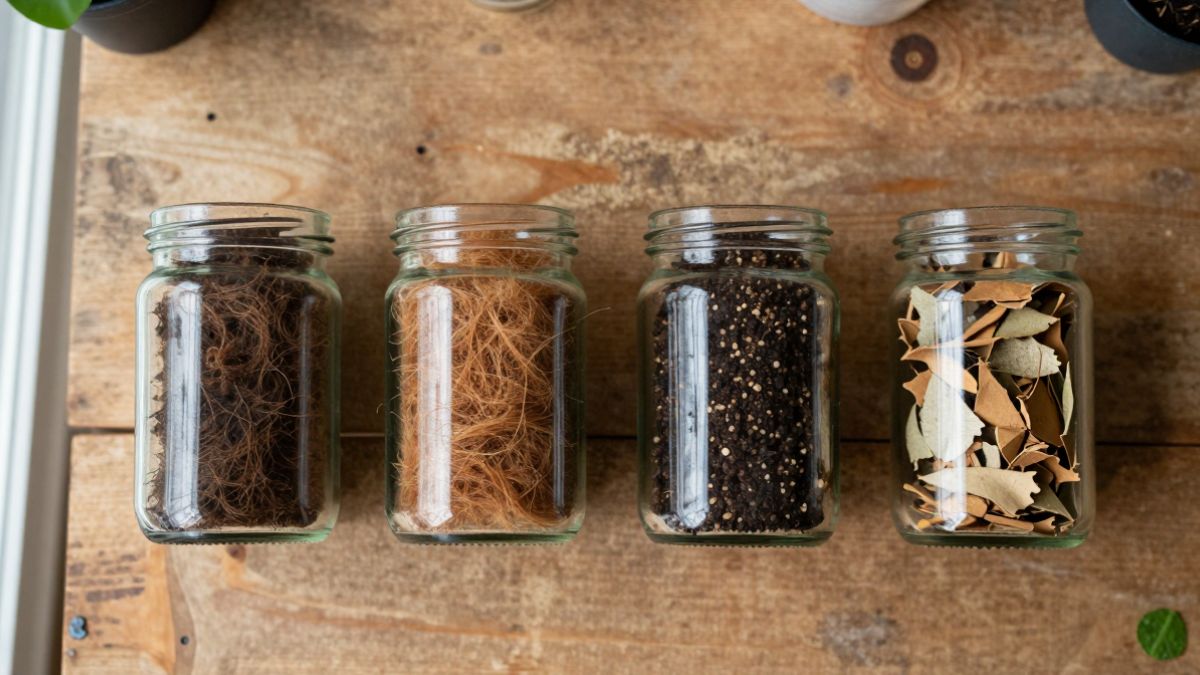
Most gardeners swear by peat moss. But here’s what no one tells you: using it might be slowly destroying the ecosystems that took thousands of years to form.
That fluffy, golden-brown stuff at the garden center seems harmless enough. We’ve all reached for it when starting seeds or amending heavy clay soil. And yes, it works beautifully—at first.
But before you add another bale to your cart, let’s talk about what peat moss actually is and when you should think twice.
What peat moss really is
Peat moss comes from decomposed sphagnum moss harvested from ancient peatland bogs. These wetlands took anywhere from 5,000 to 10,000 years to develop, growing at a rate of just one millimeter per year.
When companies extract peat, they’re essentially mining a non-renewable resource. Those bogs also store massive amounts of carbon—draining them releases greenhouse gases that contribute to climate change.
It’s not just an environmental buzzword. It’s a real trade-off we’re making every time we open a bag.

The pros: why gardeners love it
Let’s be honest—peat moss earned its reputation for good reasons.
Water retention is its superpower. Peat can hold up to 20 times its weight in water, then release it slowly to plant roots. For seed starting and container plants, this is gold.
It also improves soil structure in heavy clay, creating air pockets that help roots breathe. And because it’s sterile and weed-free, you won’t accidentally introduce pests or diseases to your garden.
For decades, this made peat moss the go-to amendment for practically everything.
The cons: the hidden costs
Here’s where it gets uncomfortable.
Harvesting peat destroys critical wildlife habitats. Peatlands support rare plants, birds, and insects that can’t survive anywhere else. Once drained, these ecosystems are nearly impossible to restore.
Peat is also highly acidic (pH 3.5-4.5). While blueberries and azaleas love this, most vegetables and flowers don’t. You’ll need to add lime to neutralize it—extra work and expense.
And remember: it’s not renewable. Unlike compost, which you can make in your backyard, peat takes millennia to form. We’re using it up faster than nature can replace it.
When peat moss actually makes sense
We’re not saying never use it. There are times when peat moss is genuinely the best tool for the job.
Seed starting is one. The fine texture and moisture control give tiny seedlings the perfect environment to germinate. For this purpose, a small bag lasts a long time.
Container gardening is another. Potted plants need lightweight, well-draining soil that holds moisture—peat delivers on all three.
If you’re growing acid-loving plants like rhododendrons, camellias, or cranberries, peat’s low pH is actually an advantage.
The key is using it sparingly and intentionally, not as your default amendment for everything.
Eco-friendly alternatives that actually work
The good news? We have better options now.
Coco coir (coconut fiber) mimics peat’s water retention without the environmental guilt. It’s renewable, pH-neutral, and works beautifully in seed-starting mixes and containers.
Compost is the ultimate soil builder. It adds nutrients, improves structure, and costs nothing if you make your own. Use it generously in garden beds.
Leaf mold is composted leaves—ridiculously easy to make. Pile up fall leaves, wait a year, and you’ll have a free soil conditioner that holds moisture like a dream.
For clay soil, try pine bark fines or composted wood chips. They improve drainage without the ecological baggage.

Simple mix recipes you can make today
Seed-starting mix (peat-free):
5 parts coco coir, 1 part perlite, 1 part compost. Light, fluffy, perfect for germination.
Container mix:
3 parts coco coir, 2 parts compost, 1 part perlite or vermiculite. Add slow-release fertilizer.
Garden bed amendment (clay soil):
Equal parts compost, leaf mold, and pine bark fines. Work into the top 6 inches.
Quick FAQ: storage and safety
Does peat moss expire? No, but it can dry out. Store unopened bags in a cool, dry place. Once opened, keep it sealed to maintain moisture.
Is it safe around kids and pets? Yes, peat moss is non-toxic. Just avoid breathing the dust when handling dry peat—wear a mask if you’re sensitive.
Can I reuse potting soil with peat? Absolutely. Refresh it with compost and perlite, and it’s good for another season.
The truth is, we can have healthy gardens and a healthier planet. Start by reaching for alternatives first, and save the peat for when nothing else will do. Your plants—and the ancient bogs—will thank you.