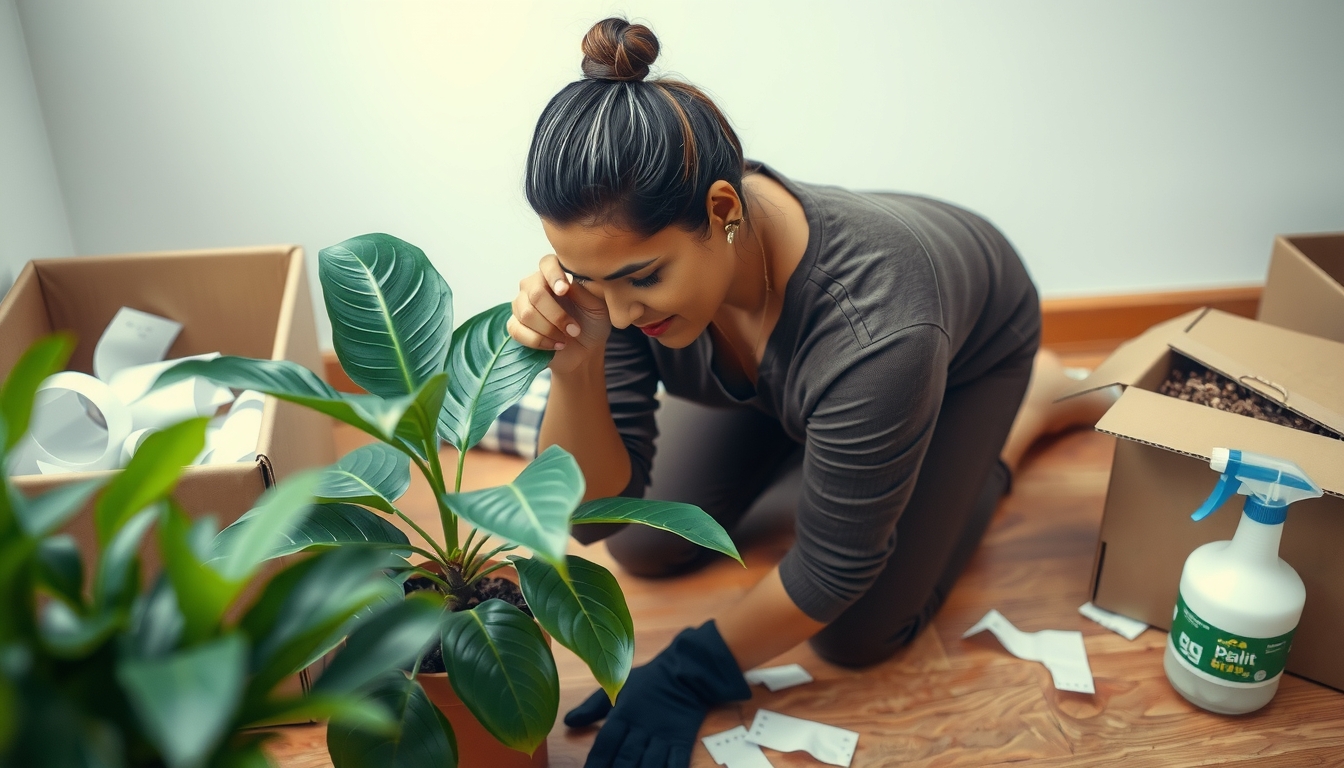
You unbox your new plant, snap a photo for Instagram, and give it a sunny spot by the window. Two days later, the leaves are crispy, yellow, or worse—wilted beyond recognition. Sound familiar? The first 48 hours after your plant arrives are make-or-break, and most online plant parents get it wrong before they even realize there’s a problem.
Online plant shopping has exploded across India, with brands like Ugaao delivering greenery straight to your doorstep. But shipping is traumatic for plants. They’ve spent days in darkness, jostled in boxes, deprived of light and sometimes water. What you do in those critical first two days determines whether your new green friend thrives or becomes compost.
Here’s your step-by-step survival guide to turn shipping stress into a smooth transition.
Unbox carefully and inspect everything
Don’t rip open the box in excitement. Unpack slowly and check for red flags immediately.
Look at the stems first. Are they firm or mushy? Mushiness means rot has already started. Check the soil—does it smell sour or moldy? That’s a sign of overwatering or fungal issues during transit. Lift a few leaves gently and inspect the undersides for tiny pests, webbing, or sticky residue.
Take photos of any damage right away. Most reputable sellers offer replacements, but you’ll need clear evidence within 24–48 hours. Document broken stems, brown patches, or pest infestations before you do anything else.
If the plant looks healthy, congratulations. But don’t assume it’s ready for your care routine yet.

The repotting trap: wait, don’t rush
This is the biggest mistake new plant owners make. Do not repot your plant in the first week, no matter how ugly the nursery pot looks.
Your plant is already stressed. Repotting means disturbing roots, changing soil composition, and forcing the plant to adapt to yet another environment. That’s a recipe for shock. Let it recover first.
Keep it in the original pot for at least 7–10 days. If the soil is bone dry or waterlogged, address that (we’ll cover watering next), but leave the roots alone. Once the plant shows signs of adjustment—new growth, perky leaves—then you can consider repotting.
Quarantine to protect your plant family
If you already have plants at home, keep the newcomer isolated for at least a week.
Even if you don’t see pests during unboxing, eggs or larvae can be hiding in the soil. Fungal spores, mealybugs, spider mites—they spread fast. A single infected plant can wipe out your entire collection.
Set up a quarantine zone in a separate room or corner. Check the plant daily. If you spot anything suspicious—tiny crawlers, webbing, white fluff—treat it immediately before introducing it to your other plants.

Rehydration: when to water and when to hold back
This is tricky because there’s no one-size-fits-all answer. Feel the soil first.
Stick your finger two inches deep. If it’s dry, water thoroughly until water drains out the bottom. If it’s damp or wet, wait. Overwatering a stressed plant is worse than underwatering.
Some plants arrive bone-dry because sellers withhold water to prevent rot during shipping. Others arrive soaking wet. Your job is to stabilize, not guess.
If the soil is dry, water once and then wait. Don’t water again until the top two inches dry out. If the soil is soggy, place the plant in a spot with good airflow and let it dry out naturally. Remove any standing water from saucers.
For the first 48 hours, focus on gentle rehydration, not a strict schedule.
Light acclimation: avoid the sunburn mistake
Your plant just spent days in a dark box. Throwing it into direct sunlight is like dragging someone out of a cave into the midday sun.
Start with bright, indirect light. A spot near a window with a sheer curtain works well. Avoid direct sun for the first few days, even if the plant is labeled as “full sun.”
Gradually increase light exposure over a week. Move it closer to the window or into a sunnier spot in small increments. This gives the plant time to ramp up chlorophyll production without scorching.
If you notice pale or bleached patches on the leaves, you’ve moved too fast. Pull back and slow down the transition.

Neem oil or soap spray: do you need it?
Not every plant needs a preventive spray, but if you see pests or want to play it safe, act now.
Here’s a simple decision tree:
- No pests visible, plant looks healthy: Skip the spray. Monitor daily.
- Tiny bugs, webbing, or sticky leaves: Spray immediately with neem oil or insecticidal soap.
- You have other plants nearby: Consider a light preventive spray as insurance.
Mix neem oil with water and a drop of dish soap (helps it stick). Spray the undersides of leaves, stems, and the soil surface. Do this in the evening to avoid leaf burn. Repeat every 5–7 days if pests persist.
Don’t over-spray. Too much can stress the plant further.
When to request a replacement: the photo proof guide
Most online plant sellers honor replacements, but you need to document damage properly.
Take clear, well-lit photos within 24 hours of delivery. Capture:
- The plant in its packaging (shows it arrived damaged, not mishandled by you)
- Close-ups of broken stems, yellowing leaves, or pests
- The soil condition (dry, moldy, etc.)
- The overall plant from multiple angles
Email or WhatsApp these to the seller with your order number. Be polite but firm. Explain what you found and ask for a replacement or refund.
If the damage is minor—one or two yellow leaves—give the plant a week. Sometimes they bounce back. But if more than 30% of the foliage is damaged, or if the stem is mushy, request a replacement immediately.

The 48-hour checkpoint: what success looks like
By the end of day two, your plant should look stable. Leaves might still be a bit droopy, but they shouldn’t be getting worse. The soil should be at the right moisture level. No new pests should have appeared.
If the plant is declining fast—leaves turning brown, stems collapsing—contact the seller now. Don’t wait a week hoping it will recover.
If it’s holding steady or perking up, you’re in the clear. Keep monitoring daily for the first week, then ease into your normal plant care routine.
Online plant shopping is convenient, but it’s not plug-and-play. These first 48 hours are your insurance policy. Inspect, stabilize, and protect. Do this right, and your new plant will reward you with months or even years of growth. Skip these steps, and you’ll be back online shopping for a replacement sooner than you think.