Ever spent a weekend wrestling with hard soil, only to wake up Monday with a sore back and zero motivation to garden again? You’re not alone—and that’s exactly why thousands of gardeners are putting down their shovels for good.
No-dig gardening isn’t just another trend. It’s a complete mindset shift that works with nature instead of against it. And the results? Healthier plants, fewer weeds, and way less physical strain.
What no-dig gardening actually means
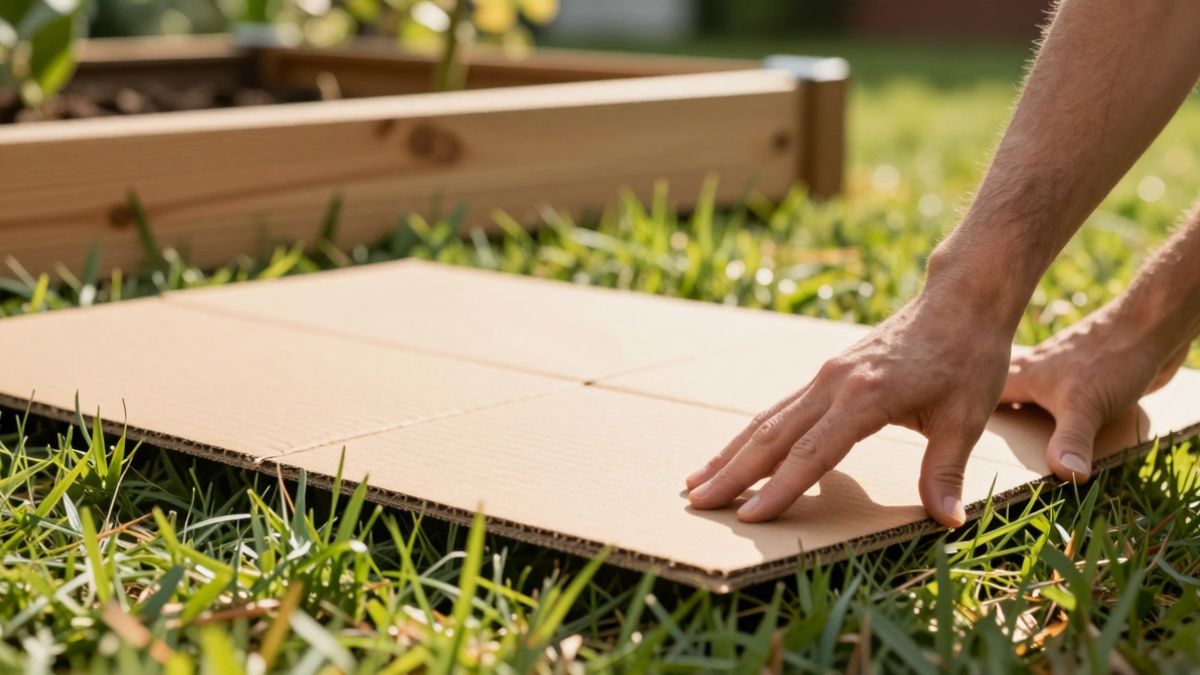
Think of no-dig as feeding the soil, not just the plants. Instead of turning over the earth each season, you build layers of organic matter directly on top of the ground. Cardboard or newspaper goes down first to smother existing weeds and grass. Then you pile on compost, aged manure, straw, or shredded leaves.
The magic happens underneath. Worms and microbes move in, breaking down the layers and creating rich, crumbly soil naturally. You never disturb it with a spade.
The before and after that sells itself
Here’s what changes when you stop digging:
Weeds practically vanish. Tilling brings buried weed seeds to the surface where they sprout. No-dig keeps them buried and adds a thick mulch barrier that blocks light.
Soil life explodes. Every time you turn soil, you destroy fungal networks and kill beneficial organisms. No-dig beds become underground cities of helpful creatures that aerate the soil and feed your plants.
Your back thanks you. Seriously. No more double-digging or fighting with clay. You’re layering materials, not excavating.
We’ve heard from gardeners in their 70s who thought their gardening days were over—until they tried no-dig and realized they could keep growing food without the pain.
How to build your first no-dig bed
Start small. A 4×8 foot bed is perfect for testing the method.
Step one: Lay down cardboard or 6-8 sheets of newspaper directly over grass or weeds. Overlap the edges so nothing pokes through. Water it thoroughly so it stays in place.
Step two: Add 4-6 inches of compost. This is your planting layer, so use quality stuff—finished compost, not fresh manure that might burn roots.
Step three: Top with 2-3 inches of mulch. Straw, shredded leaves, or wood chips work great. This locks in moisture and adds another weed barrier.
That’s it. You can plant immediately if your compost layer is thick enough. Just push aside the mulch, nestle in transplants, and water well.
Best crops to start with
Leafy greens love no-dig beds. Lettuce, spinach, and kale thrive in that fluffy compost layer. Tomatoes and peppers do beautifully too, since the rich organic matter holds moisture without getting waterlogged.
Root crops like carrots and potatoes? They’re actually easier in no-dig systems. The loose structure lets them expand freely. Just make sure your compost layer is deep enough—at least 6 inches for carrots, 12 inches for potatoes.
Where people mess up
The biggest mistake is skimping on organic matter. A thin layer won’t give you the weed suppression or soil improvement you’re hoping for. Go thick or go home.
Second mistake: using fresh grass clippings or un-composted manure. These can burn plants and introduce weed seeds. Stick with well-aged materials.
And don’t worry about the cardboard. It breaks down within a season and actually feeds the soil as it decomposes.

Perfect for small spaces and seniors
No-dig beds work anywhere—balconies, patios, sloped yards. You’re building up, not digging down, so you can garden on concrete if you frame it with wood or bricks.
For anyone with limited mobility, this method is genuinely life-changing. You can sit on the edge of a raised no-dig bed and tend plants without bending over. Add a thick mulch layer and you’ll water less often too.
The system practically runs itself after the first year. Just keep adding compost and mulch each season, and the soil gets better and better.
Stop fighting the ground. Start feeding it. Your plants—and your back—will thank you.