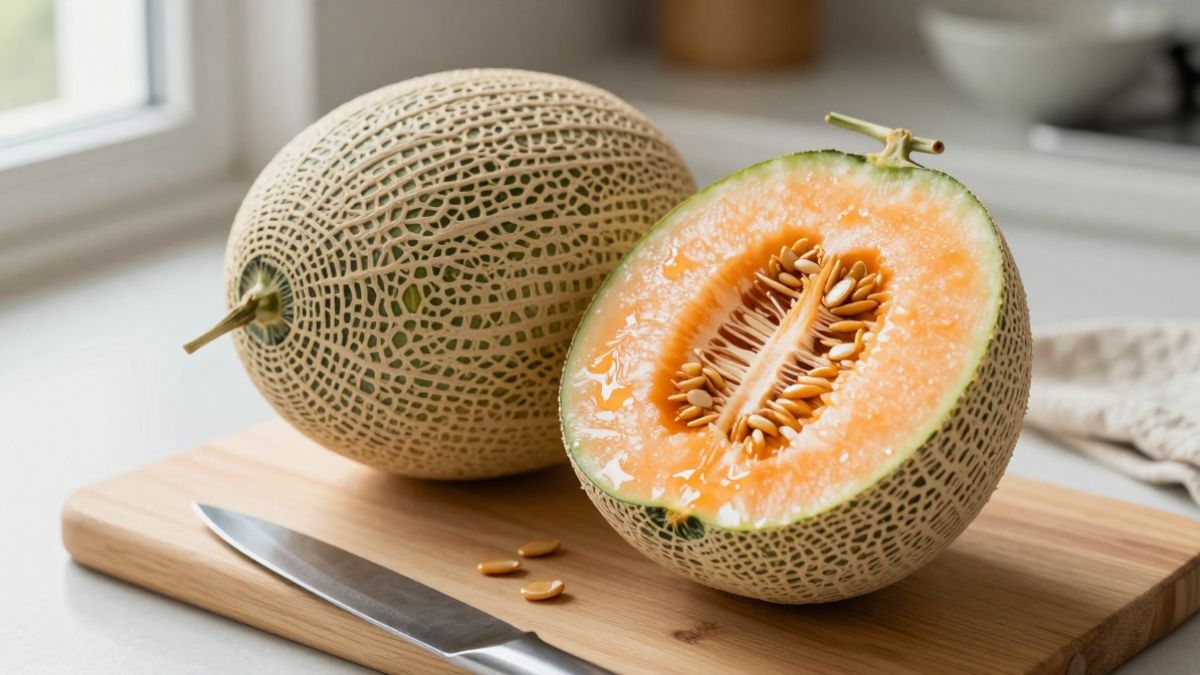
Most home gardeners blame soil, weather, or pests when their muskmelons turn out small and tasteless. But the real culprit is almost always spacing. Crowded vines compete for nutrients, sunlight, and airflow—resulting in weak growth, bland fruit, and disease. Get the spacing right from day one, and you’ve already won half the battle.
Muskmelon, also known as kharbuja, thrives in India’s warm climate, but only if each plant has room to breathe. Whether you’re growing on a trellis or letting vines sprawl on the ground, the setup you choose in the first week will determine your harvest in three months. Here’s the simple, proven plan that prevents weak vines and delivers sweet, aromatic melons every time.
Choose the right variety and planting window
Timing is everything. In most of India, muskmelon performs best when sown between January and March for a summer harvest, or August to September in milder regions. Varieties like Hara Madhu, Pusa Madhuras, and Arka Jeet are well-suited to Indian conditions and resist common fungal issues.
Pick a spot that receives at least six to eight hours of direct sunlight daily. Muskmelon is a sun-loving crop; even partial shade will compromise sweetness. If you’re planting in containers, choose pots that are at least 18 inches deep and 24 inches wide—anything smaller will stunt root development and limit fruit size.
Always start with seeds or healthy seedlings from a trusted source. Avoid transplanting shock by sowing directly into the ground or final container whenever possible. If you must transplant, do it when seedlings have two true leaves and handle roots gently.

Prepare soil that builds sweetness
Muskmelon demands well-draining, nutrient-rich soil with a pH between 6.0 and 7.0. Heavy clay or waterlogged soil invites root rot and dull-flavored fruit. If your garden soil is dense, amend it with plenty of compost, vermicompost, or aged cow dung—at least one bucket per square meter.
Dig planting holes 30 cm deep and 30 cm wide. Mix in a handful of neem cake and bone meal to boost phosphorus and potassium, both critical for fruit sweetness. Avoid excessive nitrogen; it encourages leafy growth at the expense of flowers and fruit.
Raise beds by 15–20 cm if drainage is poor. Muskmelon roots need oxygen, and standing water for even a few hours can damage the plant permanently. A raised bed also warms up faster in early spring, giving you a head start on the season.
Master spacing and pruning basics
This is where most growers go wrong. For ground-trained vines, space plants 90 to 120 cm apart in rows that are 150 to 180 cm apart. Each plant will spread over several square meters, and crowding will choke them.
If you’re using a trellis (more on that below), you can reduce spacing slightly to 60–75 cm between plants, since vertical growth saves ground space. But never go closer than 60 cm—roots still need room to forage.
Pruning is optional but highly effective. Once the main vine reaches about one meter in length, pinch off the growing tip to encourage lateral shoots. These side branches produce the female flowers that become fruit. Remove any weak or diseased shoots immediately to direct energy toward healthy growth.
Limit each plant to three to four fruits maximum. More than that, and the plant will struggle to ripen them all properly. Thin out excess baby melons when they’re golf-ball-sized, keeping only the healthiest specimens evenly spaced along the vine.

Trellis vs ground training: which is better?
Both methods work, but each has trade-offs. Ground training is simpler and requires no structure, but it demands more space and increases the risk of soil-borne diseases and pest damage. Lay down straw mulch or black plastic sheeting under developing fruit to keep them clean and prevent rot.
Trellis training saves space, improves airflow, and makes harvesting easier. Use a sturdy frame at least 1.5 meters tall, made from bamboo, metal poles, or wooden stakes with horizontal wires or netting. As vines grow, gently tie them to the trellis with soft cloth strips—never wire or string that can cut into stems.
The key advantage of trellising is better sun exposure for all leaves and fruit, which translates to sweeter melons. You’ll also spot pests and diseases faster. The downside: heavier fruit may need support slings made from old cloth or mesh bags tied to the trellis to prevent stem breakage.
If you’re short on space or growing on a terrace, trellis training is the clear winner. For larger plots with good mulch management, ground training is perfectly viable.
Water smart to avoid bland melons
Muskmelon is sensitive to both drought and overwatering. During the vegetative stage, water deeply twice a week, ensuring the top 15–20 cm of soil stays consistently moist but never soggy. Drip irrigation or soaker hoses work best; overhead watering invites fungal diseases.
Once fruit begins to form, reduce watering frequency but maintain depth. Overwatering during ripening dilutes sugars and produces watery, flavorless melons. About one week before harvest, cut back water significantly—this concentrates sweetness and improves shelf life.
Always water in the early morning. Evening watering leaves foliage damp overnight, creating ideal conditions for powdery mildew and downy mildew, two of the most common muskmelon killers in humid climates.

Watch for pests and know when to harvest
Fruit flies, aphids, and red pumpkin beetles are the usual suspects. Inspect plants every two to three days, especially the undersides of leaves and young fruit. Neem oil spray (5 ml per liter of water) applied weekly keeps most pests in check without harming pollinators.
Powdery mildew appears as white, dusty patches on leaves. Treat it early with a baking soda solution (one teaspoon per liter of water) or a sulfur-based fungicide. Remove and destroy infected leaves immediately.
Harvest timing is critical. A ripe muskmelon will slip easily from the vine with gentle pressure, leaving a clean break at the stem. The skin will change from green to a creamy yellow or tan, and you’ll notice a sweet, musky aroma at the blossom end. If you have to tug hard, it’s not ready.
Don’t wait for melons to soften on the vine—they’ll overripen and lose flavor. Pick them at the “full slip” stage and let them rest at room temperature for a day or two to reach peak sweetness.
Your next steps
Spacing isn’t glamorous, but it’s the single variable that separates a disappointing crop from a bountiful one. Measure your planting area, mark out proper intervals, and resist the urge to squeeze in extra plants. Give each vine the space it deserves, and you’ll be rewarded with sweet, aromatic muskmelons that taste like summer itself.
Start your soil prep this week if you’re planting in January. Source your seeds, build your trellis if needed, and commit to the spacing plan. Three months from now, you’ll be slicing into fruit that proves good gardening is less about luck and more about giving plants what they actually need.