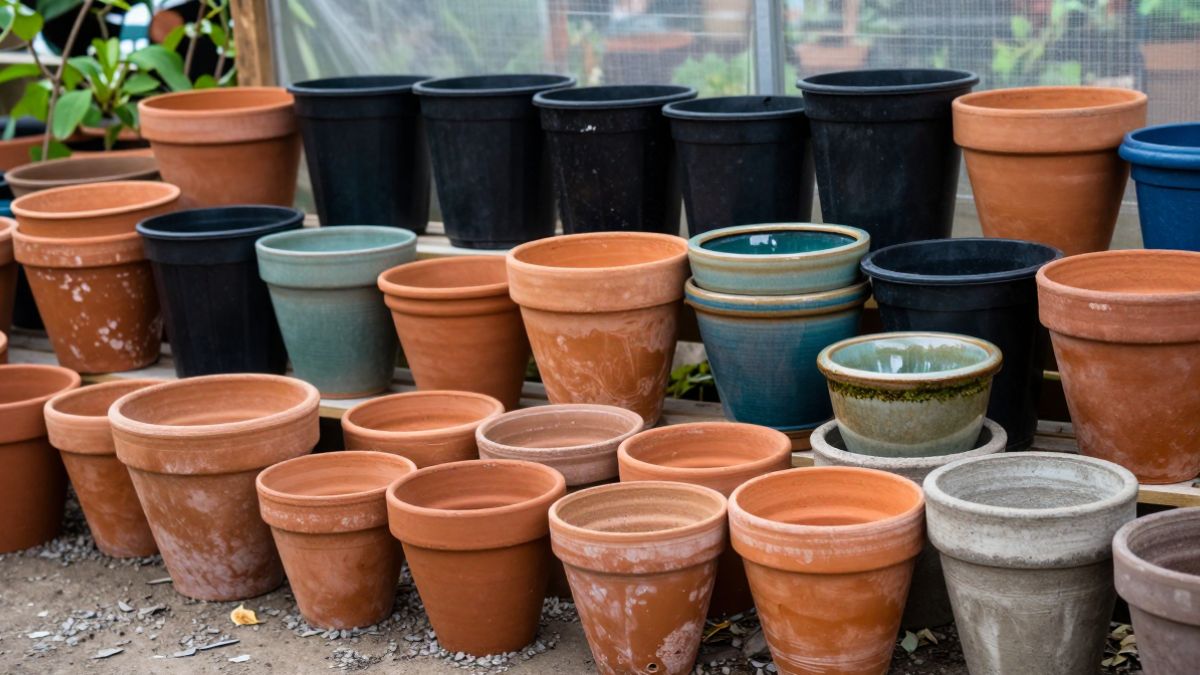
Walk into any nursery in India this December, and you’ll see rows of cheerful terracotta pots in every size imaginable. But here’s the truth most gardeners learn the hard way: most of us pick pots that are too small, then wonder why our tomatoes refuse to fruit or our money plants look stunted by February.
The pot you choose isn’t just a container—it’s your plant’s entire universe. Get the size wrong, and even the healthiest sapling will stall, no matter how diligently you water or fertilise. Let’s fix that today with a simple, no-guesswork guide that takes the anxiety out of pot shopping.
The number one pot mistake: going too small
When you bring home a young curry leaf plant or a chilli seedling, it’s tempting to plant it in a cute 6-inch pot. After all, the plant is small, right?
Wrong. Roots grow faster than foliage, especially in India’s warm climate. A pot that looks spacious today will become a root prison within weeks. Cramped roots can’t absorb water or nutrients efficiently, so growth stalls. Your plant survives, but it never thrives.
The golden rule: always size up. If your plant is in a 4-inch nursery pot, move it to an 8-inch pot. If it’s already in an 8-inch, go to 10 or 12 inches. Give roots room to spread, and you’ll see the difference in just one growing season.
Drainage essentials: the deal-breaker
No matter what size or material you choose, drainage holes are non-negotiable. Even the most gorgeous ceramic planter is useless if water can’t escape.
In India’s monsoon months (June to September) and during heavy winter watering, stagnant water at the bottom leads to root rot—the silent killer of container plants. Always check for at least one large drainage hole, or drill your own if the pot allows it.
Place a layer of broken terracotta pieces or pebbles at the bottom before adding soil. This creates an air pocket and prevents soil from clogging the hole. It’s a small step that saves countless plants.
Material pros and cons: terracotta vs plastic vs grow bags
Not all pots are created equal. The material you choose affects watering frequency, root temperature, and even how often you’ll need to repot.
Terracotta (clay) pots
– Pros: Breathable, helps prevent overwatering, keeps roots cooler in summer.
– Cons: Heavy, breaks easily, dries out fast (you’ll water more often).
– Best for: Succulents, herbs, plants that hate wet feet (like rosemary or lavender).
Plastic pots
– Pros: Lightweight, affordable, retains moisture longer, won’t break if dropped.
– Cons: Can overheat in direct sun, less breathable (higher risk of root rot if you overwater).
– Best for: Ferns, pothos, any plant that likes consistent moisture.
Grow bags (fabric)
– Pros: Excellent drainage, air-prunes roots (prevents circling), portable, collapsible for storage.
– Cons: Dries out very quickly, not the prettiest option, needs a tray underneath.
– Best for: Vegetables (tomatoes, chillies, brinjal), fruiting plants, terrace gardens.
For most Indian balconies and terraces, a mix of terracotta and grow bags works beautifully—terracotta for your ornamentals and herbs, grow bags for your kitchen garden.

Pot sizes for 10 common plants
Here’s your cheat sheet. These sizes assume you want the plant to grow to its natural container size and stay healthy for at least one full year before repotting.
- Tulsi (Holy Basil): 8–10 inches diameter
- Curry leaf plant: 12–14 inches (go bigger if you want a bushy plant)
- Tomato: 12–16 inches (one plant per pot)
- Chilli: 10–12 inches
- Money plant (pothos): 6–8 inches for trailing; 10 inches for a fuller look
- Snake plant: 8–10 inches (they like being slightly snug)
- Aloe vera: 8–10 inches
- Coriander: 6–8 inches (shallow is fine; roots don’t go deep)
- Marigold: 8–10 inches
- Hibiscus: 14–18 inches (they’re vigorous growers)
If you’re planting multiple seedlings together (like coriander or lettuce), add 2–3 inches to the diameter for each extra plant.
Watering adjustments by pot type
The pot material changes your watering routine more than you’d think.
Terracotta: Water every day in summer (especially small pots), every 2–3 days in winter. Check soil daily—it dries fast.
Plastic: Water every 2–3 days in summer, once a week in winter. Be cautious—plastic holds moisture, so it’s easy to overwater.
Grow bags: Water daily in hot months, sometimes twice a day for vegetables in full sun. The fabric wicks moisture away quickly.
The finger test is your best friend: stick your index finger 2 inches into the soil. If it feels dry, water. If it’s still moist, wait.
When to repot without shocking roots
Even with the right pot, your plant will eventually outgrow it. Watch for these signs:
- Roots poking out of drainage holes
- Water runs straight through without being absorbed
- Growth has slowed or stopped, even with good care
- The plant tips over easily (top-heavy)
The best time to repot in India is early spring (February to March) or just after the monsoon (September to October). Avoid repotting in peak summer or during flowering—it stresses the plant.
When you repot, go just one size up (2–3 inches larger in diameter). A pot that’s too big holds excess moisture and can cause root rot. Gently loosen the root ball with your fingers, place it in the new pot, fill with fresh potting mix, and water lightly.
Give the plant a week in partial shade to recover before moving it back to its usual spot.
Your next step
This weekend, take a quick inventory of your plants. Are any of them in pots that look too snug? Are the drainage holes clear? Is the material right for the plant’s needs?
You don’t need to repot everything at once. Start with the one plant that’s been struggling the most. Give it a bigger home, check the drainage, and watch what happens over the next month. You’ll be surprised how much difference the right pot makes—and how much easier gardening becomes when you stop fighting against a container that’s working against you.