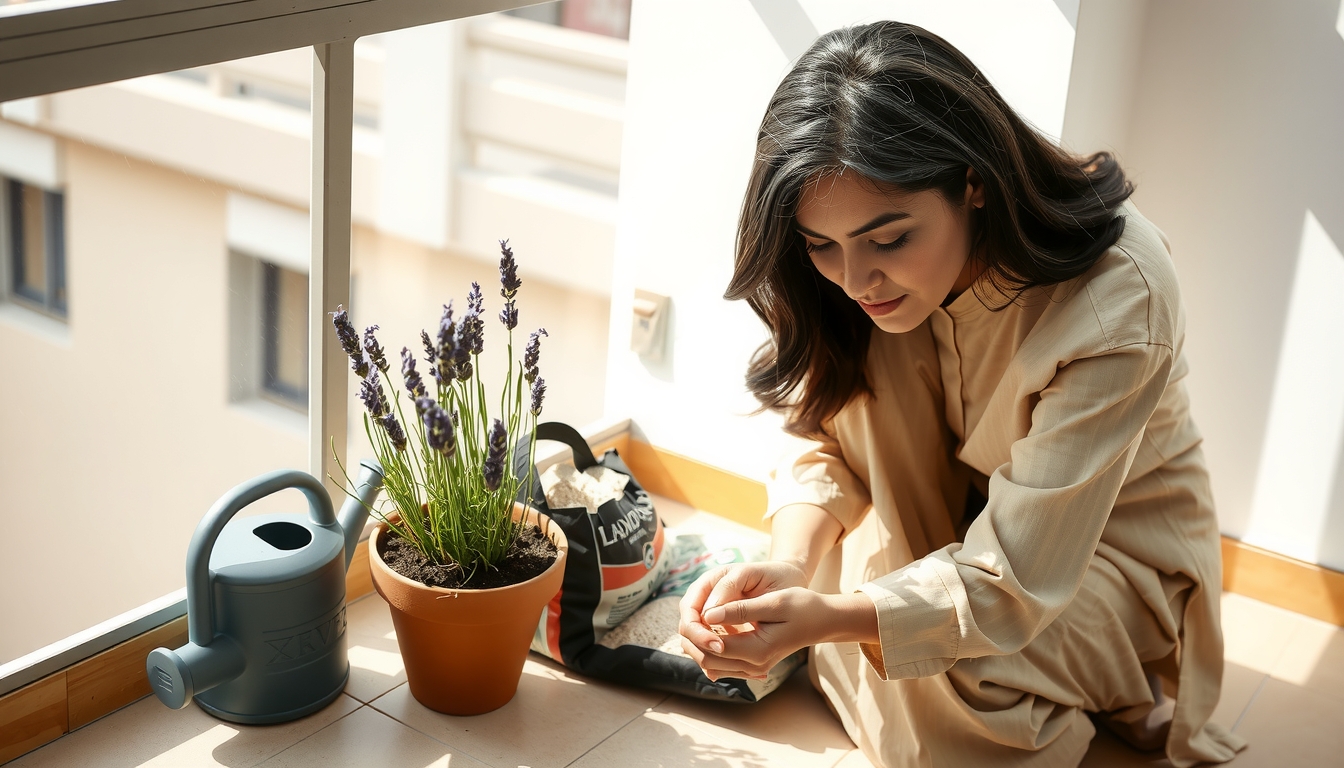
Lavender in a terracotta pot sitting on your windowsill, filling the room with that signature calming scent—it’s the Pinterest dream. But here’s the truth most plant influencers won’t tell you: lavender dies indoors more often than it thrives, and it’s not your fault.
The problem isn’t that you’re a bad plant parent. It’s that lavender evolved on the sun-scorched hillsides of the Mediterranean, where humidity is low, airflow is constant, and UV rays are relentless. Your apartment? It’s the opposite. And that mismatch is why your lavender turns brown, leggy, or simply rots from the roots up.
But before you give up on the idea entirely, there’s a workaround—a realistic indoor plan that respects what lavender actually needs, not what we wish it needed.
What lavender really needs (and why apartments fail)
Most care guides say lavender needs “bright light.” That’s not wrong, but it’s dangerously incomplete. Lavender doesn’t just want brightness—it craves sun intensity. We’re talking 6–8 hours of direct, unfiltered sunlight. The kind that makes you squint.
Indoor light, even from a south-facing window, is filtered through glass. That glass blocks a significant portion of UV rays, which lavender uses to trigger oil production (the source of its fragrance) and compact, sturdy growth. Without it, stems stretch, leaves pale, and blooms weaken.
Then there’s airflow. In the wild, lavender grows in breezy, open spaces. In your living room, air is still. That stagnant environment traps moisture around the leaves and soil surface, creating the perfect conditions for fungal rot and root disease.
Finally, humidity. Indian apartments, especially during monsoon season (June to September), can hit 70–80% relative humidity. Lavender prefers 40–50%. High humidity slows transpiration, meaning the plant can’t “breathe” properly, and excess moisture lingers in the soil far longer than it should.

The soil and pot combo that prevents root rot
If you’re using regular potting mix, stop. Lavender needs fast-draining, gritty soil that mimics rocky Mediterranean terrain. A good DIY mix:
- 40% coarse sand or perlite
- 30% standard potting soil
- 30% compost or coco peat
The goal is soil that dries out completely between waterings. If water pools on the surface or the pot feels heavy for days, your mix is too dense.
Pot choice matters just as much. Terracotta is non-negotiable. Plastic and ceramic glazed pots trap moisture. Terracotta is porous, allowing excess water to evaporate through the walls. Choose a pot with a drainage hole (obviously), and go one size larger than the root ball—lavender doesn’t like sitting in too much soil.
Elevate the pot slightly using pot feet or a small stand. This improves airflow underneath and prevents water from sitting in the saucer.
Watering schedule based on season, not the calendar
This is where most people go wrong. You can’t water lavender “once a week.” You water it when the soil is bone dry, and that timing shifts with the season.
Winter (December–February): Growth slows dramatically. Water every 10–14 days, sometimes longer. Stick your finger 5 cm into the soil—if it’s even slightly damp, wait.
Summer (March–May): Heat accelerates evaporation. You might water every 4–6 days, especially if the plant is on a sunny balcony.
Monsoon (June–September): This is the danger zone. Indoor humidity is high, and overwatering is easy. Water sparingly—every 7–10 days, and only if the top layer is completely dry. If your apartment is particularly humid, skip a week.
Post-monsoon (October–November): Conditions stabilize. Water every 6–8 days, adjusting based on how quickly the soil dries.
Always water at the base, never overhead. Wet foliage invites mildew.
The workaround: three realistic options
If your apartment can’t provide 6+ hours of direct sun, here are three paths that actually work.
Option 1: Balcony rotation
If you have a balcony, keep lavender outside during the day and bring it in at night (or during heavy rain). This gives it the sun intensity and airflow it craves while still letting you enjoy it indoors part-time. It’s extra effort, but it’s the closest you’ll get to ideal conditions.
Option 2: Grow light setup
Invest in a full-spectrum LED grow light (look for one with at least 2000 lumens and a color temperature of 5000–6500K). Position it 15–20 cm above the plant and run it for 10–12 hours daily. This won’t perfectly replicate the sun, but it’s enough to keep lavender alive and reasonably fragrant. Pair it with a small USB fan to simulate airflow.
Option 3: Dwarf varieties
Not all lavenders are created equal. English lavender (Lavandula angustifolia) is the most forgiving indoors, and within that species, dwarf cultivars like ‘Munstead’ or ‘Hidcote’ are more compact and slightly more tolerant of lower light. French and Spanish lavenders are beautiful, but they’re even fussier indoors—skip them unless you have a sun-drenched balcony.
How to keep fragrance and blooms longer
Even with perfect care, indoor lavender won’t bloom as prolifically as outdoor plants. But you can maximize what you get.
Prune after blooming. Once flowers fade (usually late spring or early summer), trim stems back by about one-third. This encourages bushier growth and a second, smaller flush of blooms.
Feed sparingly. Lavender doesn’t need much fertilizer. A weak liquid feed (half-strength, low-nitrogen) once in early spring is enough. Over-fertilizing leads to leggy, fragrance-poor growth.
Pinch back young plants. If your lavender is less than a year old, pinch off the tips of new growth every few weeks. This forces the plant to branch out instead of growing tall and spindly.
Harvest strategically. When you cut stems for drying or arrangements, take them just as buds begin to open—that’s when oil concentration is highest. Cut in the morning after dew has dried but before the sun is at full strength.

The bottom line
Lavender indoors is possible, but it requires you to meet the plant halfway. It won’t thrive in a dim corner with weekly waterings. It needs gritty soil, a terracotta pot, intense light, good airflow, and a watering rhythm that shifts with the seasons.
If your apartment can’t provide those conditions naturally, the workarounds—balcony rotation, grow lights, or choosing a dwarf variety—give you a fighting chance.
The dream of lavender-scented mornings is real. You just have to stop treating it like a houseplant and start treating it like the sun-loving, drought-tolerant shrub it actually is.