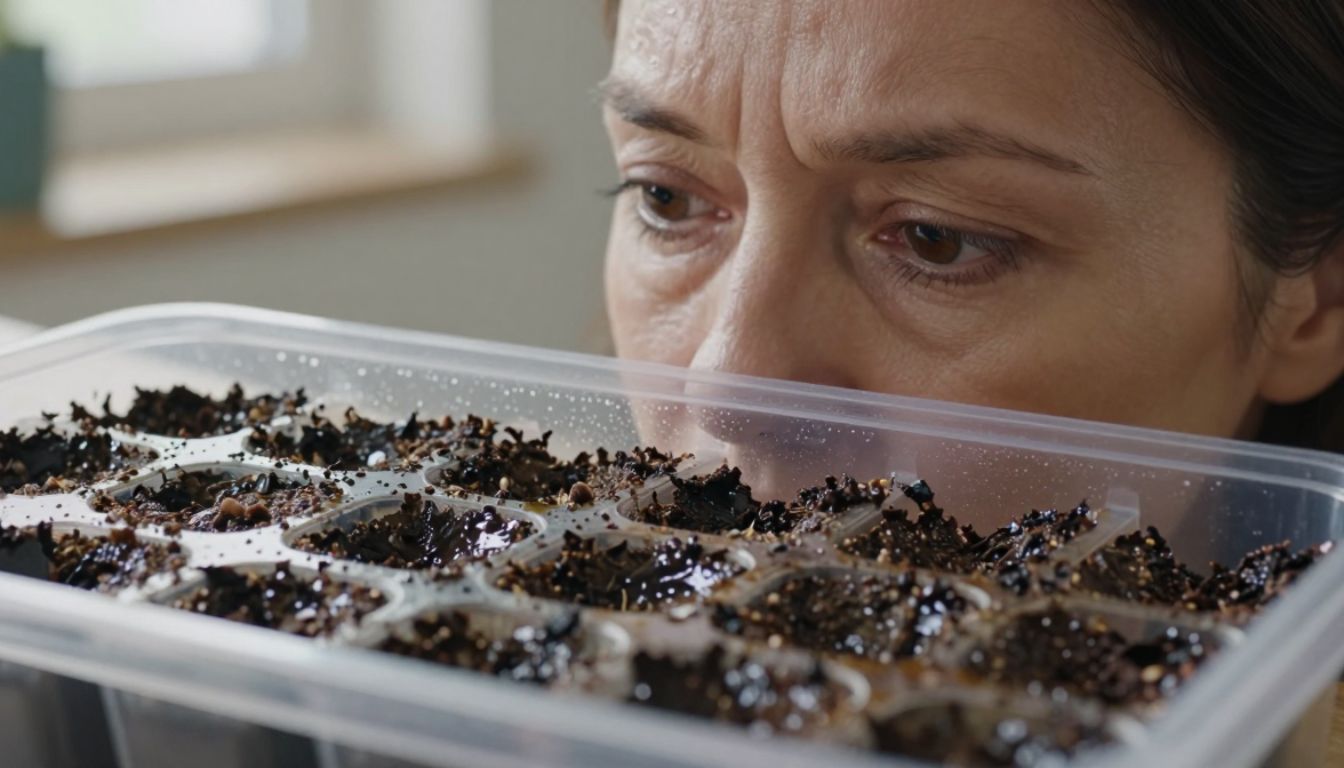
Your microgreens tray looks perfect on day one. The surface is clean, the seeds are evenly spread, and you’ve followed every instruction to the letter. Then, seemingly out of nowhere, white fuzz appears and your entire crop collapses into a slimy, rotting mess. Sound familiar?
Here’s the uncomfortable truth: the rot that kills your microgreens on day three or four was already brewing on day one—you just couldn’t see it. That clean-looking surface? It was hiding a microscopic disaster in progress. Understanding why this happens, and more importantly how to prevent it, can mean the difference between a thriving harvest and another wasted tray of seeds.
The hidden enemy you can’t see
Most growers assume that if the surface looks clean and dry, everything is fine. But microgreens rot doesn’t start on the surface—it starts in the seed-to-medium interface and in the micro-environment you’ve created without realizing it.
Fungal spores and bacteria are everywhere. They’re on your seeds, in your growing medium, floating in your kitchen air, and living on your hands and tools. On day one, they’re invisible. But if conditions are right—excess moisture, poor air circulation, and warmth—they multiply exponentially in the dark, humid zone beneath your seeds.
By the time you see mold or smell that sour, rotting odor, the colony has already spread through the root zone and into the stem tissue. The visible mold is just the fruiting body—the damage was done days earlier.

Why “clean” trays still fail
Many growers make the same critical mistakes, all while believing they’re doing everything right:
Over-soaking seeds. Soaking is helpful for hard-coated seeds, but leaving them in water for 12+ hours creates a slime layer—a perfect breeding ground for bacteria. Once you plant those seeds, that slime goes into the tray with them.
Too much water at planting. A “moist” medium should feel like a wrung-out sponge, not a wet towel. If you can squeeze water out of your soil or coco coir, it’s too wet. Excess water displaces oxygen, and roots suffocate. Anaerobic conditions invite rot.
Blackout domes that trap humidity. Covering trays during germination is standard practice, but if there’s no ventilation—no crack, no breathing hole—you’re creating a swamp. Humidity above 90% for days on end is an invitation for damping-off disease and mold.
Warm environments with no airflow. Microgreens love warmth, but so do pathogens. If your tray sits in a 75°F room with no fan, no breeze, and high humidity, you’re giving fungi the perfect incubator.
Dirty tools and reused trays. That tray you rinsed and reused? It may still carry spores from the last batch. Same with your spray bottle, your weights, your hands.
The science of seedling rot
The two most common culprits behind microgreens failure are damping-off disease (caused by fungi like Pythium and Rhizoctonia) and mold (usually Fusarium or common airborne molds).
Damping-off attacks seedlings at the soil line, causing stems to collapse and turn brown or black. It thrives in wet, low-oxygen conditions and spreads rapidly through dense plantings.
Mold, on the other hand, appears as white, gray, or green fuzz. It’s often mistaken for root hairs, but root hairs are delicate and disappear when misted—mold does not.
Both problems share the same root cause: an imbalance between moisture, oxygen, and microbial load.

How to stop rot before it starts
Prevention is everything. Once rot takes hold, there’s no saving that tray. Here’s how to create an environment where seeds thrive and pathogens struggle:
Sanitize everything. Wash trays, tools, and hands with diluted hydrogen peroxide (1 part 3% peroxide to 10 parts water) or a mild bleach solution. Rinse well. Do this every time.
Use clean, sterile growing medium. Avoid garden soil. Use coco coir, peat-based seed starting mix, or hydroponic mats designed for microgreens. If reusing coco coir, sterilize it first.
Soak seeds properly—or skip it. Small seeds (arugula, mustard, broccoli) don’t need soaking. Larger seeds (sunflower, pea, radish) benefit from 4–8 hours max. Rinse them well before planting to remove slime.
Water from the bottom. Once seeds are planted, place the tray in a shallow pan of water and let the medium wick moisture up. This keeps the surface drier and reduces mold risk. Remove the tray once the top feels moist.
Ventilate during blackout. If you cover trays, prop the lid slightly or poke holes. You want darkness, not a sealed terrarium. Check daily.
Add airflow. A small fan on low speed, oscillating across your grow area, makes a huge difference. It reduces humidity, strengthens stems, and disrupts spore settlement.
Don’t overcrowd seeds. Dense plantings trap moisture and block airflow. Follow recommended seeding rates. For most microgreens, that’s about 1–2 ounces of seed per 10×20 tray.
Monitor temperature. Ideal germination temps are 65–75°F. Above 80°F, pathogen growth accelerates. Below 60°F, germination slows and seeds sit wet longer—also risky.
Inspect daily. Lift the cover. Smell the tray. Look for any discoloration, slime, or fuzz. Catch problems early, and you can sometimes salvage a tray by increasing airflow and reducing moisture.
What to do if you spot mold early
If you catch white fuzz on day two or three and it’s localized:
- Remove the cover immediately and increase airflow.
- Stop misting the surface. Water only from the bottom if needed.
- If mold is on the surface medium (not the seedlings), you can try misting with diluted hydrogen peroxide (1:10 ratio). This may slow fungal spread.
- If seedlings themselves are collapsing or turning slimy, the tray is likely lost. Compost it and start fresh.
Do not try to harvest moldy microgreens. Even if some plants look okay, mold and bacteria can produce toxins. It’s not worth the risk.
The day-one checklist that actually works
Here’s what your setup should look like if you want to avoid rot:
- Clean tray, sanitized tools
- Sterile growing medium, moistened to “wrung-out sponge” dampness
- Seeds rinsed (if soaked) and spread evenly, not piled
- Tray placed in a ventilated area with indirect light or breathable cover
- Room temperature 65–75°F
- Small fan running nearby (optional but highly recommended)
- Bottom watering planned for day 2–3, not top misting
If you can check all these boxes on day one, your odds of a clean, healthy harvest skyrocket.
Why this matters now
Microgreens have exploded in popularity, especially as more people grow food at home. But the learning curve is steep, and the internet is full of conflicting advice. The result? Thousands of growers are repeating the same mistakes, losing tray after tray, and blaming themselves or their seeds.
The truth is simpler: rot is preventable. It’s not bad luck. It’s not cursed seeds. It’s environment and technique.
Once you understand that the “clean” tray on day one can already be compromised, you start thinking differently. You sanitize. You ventilate. You water smarter. And suddenly, your success rate transforms.
Microgreens are one of the fastest, most rewarding crops you can grow—but only if you respect the invisible threats that live in every tray. Master the fundamentals, and you’ll never wonder why your greens rotted again.