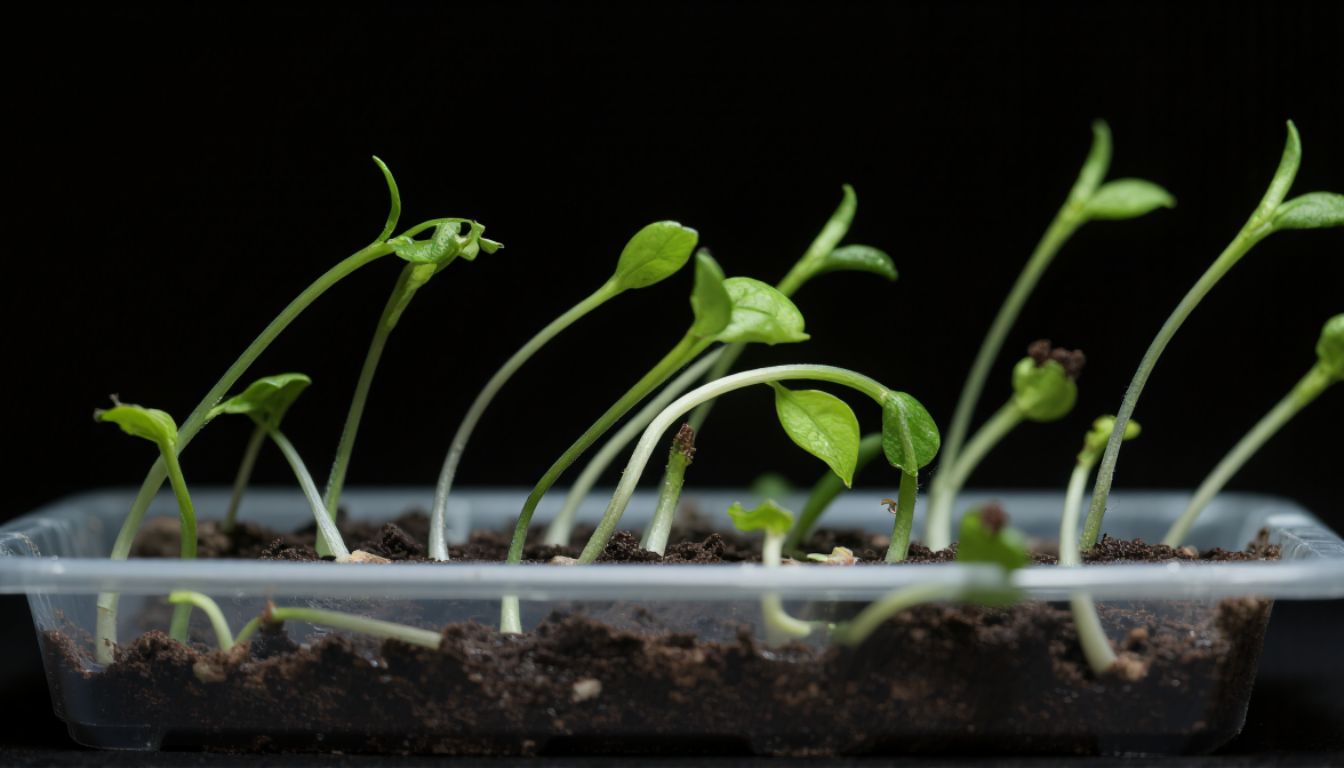
You’ve been misting them daily. You switched to organic seed. You even bought that fancy grow light. But your microgreens still flop over like wet spaghetti, and those white fuzzy patches keep showing up on your trays. Here’s the truth: it’s not you, and it’s not your seeds. It’s the one thing almost no beginner setup gets right—airflow.
Right now, in late December 2025, search interest for “airflow microgreens,” “microgreens falling over,” and “mold trays” is spiking across the US. Growers are finally connecting the dots. That stagnant air sitting around your trays isn’t just uncomfortable for your greens—it’s suffocating them, weakening their stems, and rolling out the red carpet for mold.
Why airflow is the invisible backbone of healthy microgreens
Microgreens grow fast and dense. In just 7–14 days, you’re packing hundreds of seedlings into a single 10×20 tray. That density creates a humid microclimate where moisture has nowhere to go. Without air movement, water vapor clings to stems and soil, and fungal spores settle in for the long haul.
Think of it this way: a forest has wind. A field has breeze. Your grow shelf? Dead air. And dead air breeds weak stems and mold.
When air moves, three things happen:
- Stems strengthen. Gentle resistance from airflow triggers a process called thigmomorphogenesis—plants literally build thicker, sturdier cell walls in response to movement.
- Moisture evaporates. Surface water on leaves and soil dries faster, denying mold the damp conditions it needs to spread.
- Gas exchange improves. Fresh CO₂ reaches the leaf surface, and stale, humid air gets flushed away.
Without airflow, your microgreens are essentially drowning in their own humidity.

The three airflow mistakes that wreck your trays
Mistake #1: No fan at all. Most beginners assume a bright room or a grow tent is enough. It’s not. Even a well-ventilated room has pockets of still air, especially on shelves or in corners. If you can’t feel a light breeze when you hold your hand over the trays, your greens can’t either.
Mistake #2: Aiming the fan directly at the trays. Blasting your seedlings with a strong, focused stream of air does more harm than good. It dries out the soil too fast, stresses young plants, and can even knock over delicate stems. The goal is gentle, indirect circulation, not a wind tunnel.
Mistake #3: Running the fan only during the day. Mold doesn’t sleep. Humidity builds up overnight when temperatures drop and transpiration slows. If your fan shuts off at night, you’re giving mold an eight-hour head start.
How to set up airflow the right way
You don’t need expensive equipment. A basic clip-on or desk fan works perfectly. Here’s the setup that solves the problem:
- Choose a small oscillating fan (6–8 inches). Oscillation spreads air evenly without creating a direct blast.
- Position it 3–4 feet away from your trays, angled slightly upward or to the side so air bounces off a wall or ceiling before reaching the plants.
- Run it 24/7 on low speed. Continuous, gentle airflow is far better than intermittent gusts.
- Test with tissue paper. Place a small strip on the tray. It should flutter lightly, not fly off.
If you’re growing in a closet or tent, crack the door or add a passive vent. Airflow works best when fresh air can enter and stale air can exit.

What to do if mold has already appeared
White fuzz on soil or stems? Don’t panic. Most of the time, it’s harmless root hairs, especially on radish and broccoli microgreens. But if it’s gray, slimy, or smells musty, it’s mold.
Here’s your action plan:
- Increase airflow immediately. Add a fan or move the tray to a breezier spot.
- Reduce watering. Let the soil surface dry out slightly between waterings. Bottom-watering helps keep the top layer drier.
- Remove affected areas. If mold is localized, gently scoop out the fuzzy section and surrounding soil. Don’t let it spread.
- Harvest early if needed. If mold is widespread, cut your losses and harvest what’s healthy. Better to salvage some greens than lose the whole tray.
Going forward, a fan running 24/7 will cut mold problems by 80% or more.
Why your microgreens fall over (and how airflow fixes it)
Leggy, floppy stems aren’t always a light problem. Weak stems are often a movement problem. In nature, even a light breeze causes micro-swaying that signals plants to build stronger support tissue. Without that signal, stems grow tall and thin, optimized for reaching light but not for holding themselves up.
When you add airflow:
- Stems thicken within 48 hours.
- The plant invests energy in structural strength, not just height.
- Harvest becomes easier—no more tangled, matted greens.
You’ll notice the difference immediately. Greens grown with airflow stand upright, feel crisp, and have a satisfying snap when you cut them.

The seasonal timing advantage (late December 2025)
If you’re reading this in late December, you’re in a great position. Winter indoor air is drier, which helps, but heating systems create uneven microclimates. Shelves near radiators get too dry; corners stay damp. A fan evens everything out.
Plus, January is peak season for starting new growing habits. Get your airflow dialed in now, and you’ll avoid the frustration that sidelines most beginners by February.
Your next steps
Here’s what to do today:
- Get a small fan. A basic 6-inch clip-on model costs $10–$15 and will last for years.
- Set it up 3–4 feet from your trays, angled for indirect circulation.
- Run it continuously on low. Let it become background noise.
- Check your trays in 48 hours. You’ll see sturdier stems and drier soil surfaces.
If you’ve been blaming yourself, your seeds, or your watering schedule, stop. The missing piece was airflow all along. Fix that one thing, and everything else—strong stems, clean trays, healthy harvests—falls into place.
Your microgreens aren’t weak. They’ve just been waiting for you to give them room to breathe.