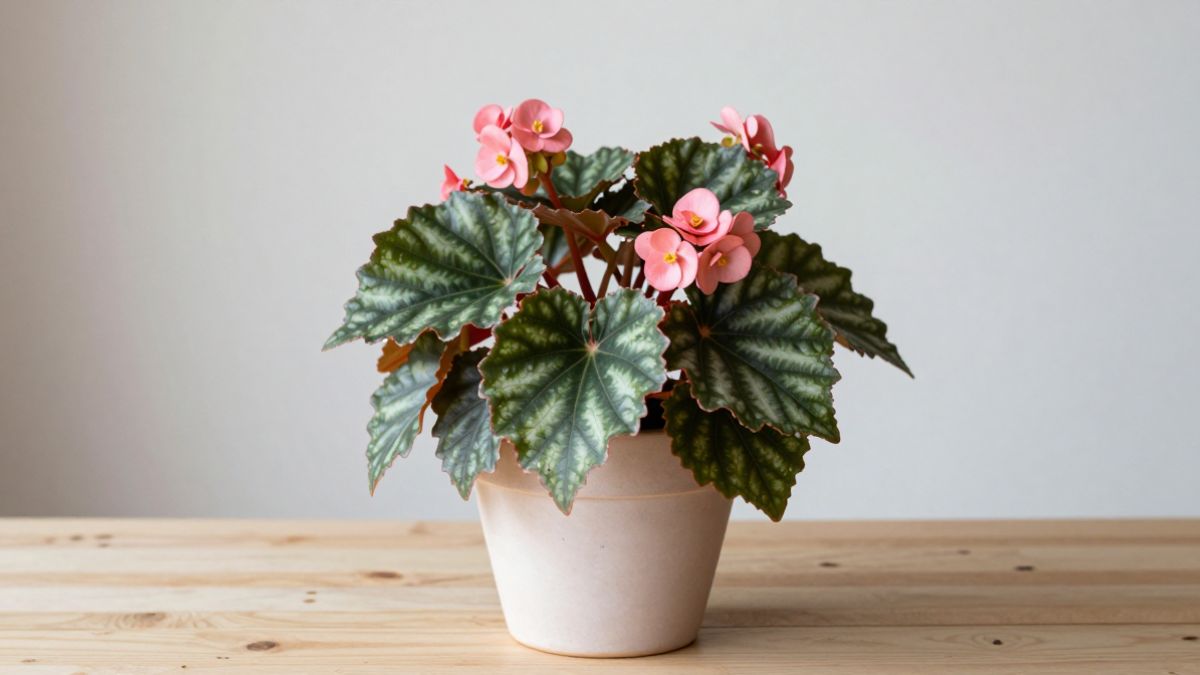
You water your begonia on schedule, the leaves look fine, and then one morning you notice a stem has collapsed into mush. By the time rot announces itself with that telltale brown slime, it’s often too late to save the affected parts. The trick isn’t catching rot when it’s obvious—it’s spotting the whispers before they become screams.
Begonias are stunning, but they’re also drama queens when it comes to moisture. In India’s humid climate, especially during the monsoon and post-monsoon months, the line between “just right” and “root rot zone” is razor-thin. The good news? Once you know what to look for, you can intervene early and keep your plant thriving.
Rot vs normal droop: what to check first
A drooping begonia doesn’t always mean rot. Sometimes it’s thirst, sometimes it’s shock from a temperature swing. The difference lies in the details.
Pick up the pot. If it feels heavy and the soil is damp, but the leaves are still wilting, that’s your first red flag. Healthy begonias perk up after watering; rotting ones stay limp because the roots can’t absorb water anymore. Now gently tug a lower leaf. If it slides off with zero resistance, you’re looking at stem rot.
Check the base of the plant where it meets the soil. Run your finger along the stem. Healthy tissue feels firm, even slightly crisp. Rotting stems feel soft, almost squishy, and may have a darker, water-soaked appearance. If you see blackened areas or a faint sour smell when you disturb the soil, the rot has already set in below the surface.
Finally, lift the plant out of its pot if you’re still unsure. Healthy begonia roots are white to pale tan and firm. Rotting roots are brown, black, or grey, and they’ll disintegrate when you touch them. If more than half the root system is compromised, you’ll need to propagate rather than rehabilitate.

Soil and pot upgrades
Begonias hate sitting in water, but they also hate drying out completely. The solution isn’t perfect timing—it’s better infrastructure.
Switch to a chunky, fast-draining mix. Standard potting soil is too dense for begonias, especially in high-humidity regions. Mix equal parts peat-free compost, perlite, and orchid bark. The bark creates air pockets, the perlite ensures drainage, and the compost holds just enough moisture. If you can’t source orchid bark, coarse coco coir chips work well.
Pot material matters more than you’d think. Terracotta is your friend. It wicks moisture away from the root zone and allows the soil to breathe. Plastic pots are fine if you’re vigilant, but they trap humidity, which means you’ll need to water less frequently and check the soil more often.
Size down if necessary. A pot that’s too large holds excess moisture around the roots. Begonias prefer being slightly root-bound. Choose a container that’s only 2–3 cm wider than the root ball, and always—always—ensure it has drainage holes. No amount of chunky soil will save a plant in a sealed pot.
Watering frequency by season
There’s no universal schedule. Watering a begonia in December is not the same as watering it in July.
During the monsoon (June to September), humidity is high and evaporation is slow. Most begonias need water only once every 7–10 days, sometimes longer. Stick your finger 3 cm into the soil. If it’s still moist, wait. Overwatering during this period is the number one cause of rot.
In the dry winter months (November to February), the air is less humid and the soil dries faster. You might need to water every 4–5 days, but always check the soil first. Begonias will tell you when they’re thirsty—the leaves start to curl slightly inward before they droop.
Summer (March to May) is tricky. Temperatures spike, but so does evaporation. Water when the top 2–3 cm of soil is dry, which might be every 3–4 days. If your begonia is near a window, watch for heat stress. Scorched leaf edges mean too much direct sun, not too little water.
One more thing: water in the early morning. Evening watering in humid conditions means the plant sits wet overnight, which invites fungal problems.

Best light for leaf begonias vs flowering types
Not all begonias are created equal, and light needs vary dramatically between types.
Rex begonias and other foliage varieties thrive in bright, indirect light. Think of the dappled shade under a tree canopy. Too much direct sun bleaches their patterned leaves; too little light and the colours fade to a dull green. An east-facing window with a sheer curtain is ideal. If you’re using grow lights, keep them 30–40 cm above the plant and run them for 10–12 hours a day.
Flowering begonias—tuberous, semperflorens, and dragon wing types—need more light to produce blooms. They can handle a few hours of gentle morning sun, but avoid the harsh afternoon rays, especially in Indian summers. South or west-facing windows work if filtered. Without enough light, they’ll grow leggy and refuse to flower.
If your begonia is stretching toward the light source or the stems are getting thin and pale, it’s not getting enough. Move it closer to the window or supplement with artificial light.
Propagation as insurance (leaf cutting steps)
Even if your begonia looks healthy today, it’s smart to have backups. Rot can strike fast, and propagation is easier than you think.
Choose a mature, unblemished leaf from the middle of the plant. Use a clean, sharp blade—sterilise it with rubbing alcohol first. Cut the leaf with 3–5 cm of petiole (the stalk) attached. If you’re working with a Rex begonia, you can also slice the leaf into wedges, each containing a major vein.
Fill a small pot with the same chunky mix you’d use for adult plants. Insert the petiole into the soil at a 45-degree angle, burying about 2 cm. If you’re using leaf wedges, lay them flat on the soil and pin them down gently with a toothpick.
Cover the pot with a clear plastic bag to create a mini greenhouse. Poke a few holes for airflow. Place it in bright, indirect light and keep the soil lightly moist—not wet. In 4–6 weeks, you’ll see tiny plantlets emerging from the base of the petiole or along the veins.
Once the new plants have two or three leaves, you can pot them individually. You now have insurance. If the mother plant succumbs to rot, you haven’t lost the variety.
Stop waiting for rot to become obvious. Check your begonias today—feel the stems, lift the pot, look at the roots if you need to. The five minutes you spend now could save you weeks of regret later.