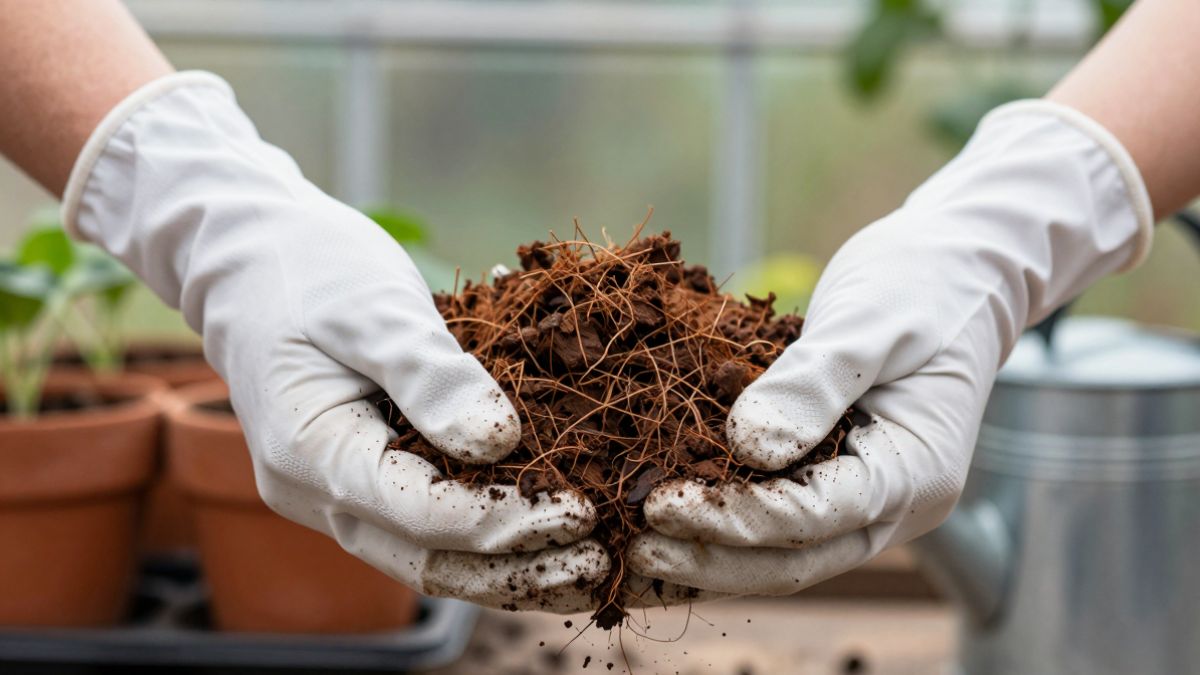
You’ve just brought home a brick of cocopeat, dropped it in a bucket of water, and watched it swell into a fluffy mountain. Victory, right? Not quite. Three weeks later, your monstera’s roots are rotting, your succulents look sadder than ever, and that “miracle” growing medium smells like a swamp. The problem isn’t the cocopeat—it’s how you hydrated it.
Cocopeat has become the darling of Indian gardeners this December 2025, and for good reason. It’s sustainable, lightweight, and holds moisture beautifully. But skip a few crucial steps during hydration, and you’ll end up with a soggy, salty mess that does more harm than good. Let’s fix that.
What cocopeat actually is (and why everyone’s using it now)
Cocopeat—also called coir pith or coco coir—is the spongy material between coconut husk fibres. For decades, it was industrial waste. Now, it’s a potting mix staple across India, especially as peat moss becomes harder to source and gardeners look for eco-friendly alternatives.
It’s not soil. It’s a growing medium that improves aeration, retains water, and stays light even when wet. That’s why you’ll find it in everything from nursery seedling trays to premium houseplant mixes.
But here’s the catch: cocopeat blocks are compressed and often contain residual salts from processing. If you don’t hydrate and rinse them properly, those salts can burn roots, and the medium can stay waterlogged for weeks.

The right way to hydrate a cocopeat block
Most packets say “add water and wait.” That’s only half the story.
Step 1: Use the right water ratio
A standard 650-gram cocopeat block needs about 4 to 5 litres of water. Use lukewarm water if possible—it speeds up expansion. Place the block in a large bucket or tub with plenty of room; it will expand to roughly 8–9 litres of loose cocopeat.
Step 2: Wait, then break it up
Let it sit for 15–20 minutes. Don’t rush. Once it’s swollen, use your hands (or a small garden fork) to break up all the lumps. Compressed chunks won’t hydrate evenly and will create dry pockets that repel water later.
Step 3: Fluff and check
The texture should be crumbly and moist, like a wrung-out sponge. If it’s dripping wet or clumping into a dense mass, you’ve added too much water. Spread it out on a tarp or large tray and let it air-dry for an hour.
The rinse question: when (and why) you must flush it
Not all cocopeat is created equal. Low-quality or poorly processed blocks can contain high levels of sodium and potassium salts, which interfere with nutrient uptake and burn tender roots.
Here’s the test: after hydration, squeeze a handful. If the water tastes salty (yes, taste a drop—it won’t hurt you), or if you see a white crust forming as it dries, you need to rinse.
How to rinse properly:
– Place the hydrated cocopeat in a large mesh bag, old pillowcase, or colander.
– Run fresh water through it for 2–3 minutes, stirring and squeezing.
– Let it drain completely.
– Repeat once more if the block was very cheap or unlabelled.
If you’re using a premium, pre-washed brand (many Indian suppliers now offer “low-EC” cocopeat), a single light rinse is enough.

Ideal cocopeat mixes for different plants
Pure cocopeat is too water-retentive for most plants. You need to blend it.
For tropical houseplants (monstera, pothos, philodendron):
– 40% cocopeat
– 30% perlite or pumice
– 20% compost or worm castings
– 10% coarse sand or fine bark
This mix drains well but holds enough moisture for humidity-loving plants.
For succulents and cacti:
– 20% cocopeat
– 50% coarse sand or grit
– 20% perlite
– 10% compost
Succulents hate sitting in moisture. Keep the cocopeat ratio low.
For seed starting:
– 50% cocopeat
– 30% perlite
– 20% vermicompost
Seeds need consistent moisture but excellent drainage. This mix delivers both.
Signs your cocopeat is too wet (and how to recover fast)
Even with perfect hydration, things can go sideways if your pot lacks drainage or you’re watering on autopilot.
Warning signs:
– Soil surface stays wet for more than 3–4 days
– Musty or sour smell
– Yellowing lower leaves
– Roots look brown or slimy when you check
– Fungus gnats hovering around the pot
Quick fixes:
– Stop watering immediately. Let the top 5 cm dry out completely.
– Improve airflow. Move the plant near a fan or open window.
– Add perlite or coarse sand on top to wick moisture away from the surface.
– Repot if necessary. If roots are mushy, trim the damaged parts, rinse the root ball, and repot into a drier, better-draining mix.
In India’s humid monsoon months (June to September), cocopeat-heavy mixes can stay soggy for weeks. During those months, reduce the cocopeat ratio by 10–15% and increase perlite or sand.

How to store leftover cocopeat without it turning into a science experiment
You’ve hydrated a full block, but only need half. What now?
Short-term (up to 2 weeks):
Squeeze out excess water and store in a breathable cloth bag or open container. Keep it in a shaded, airy spot. Don’t seal it in plastic—trapped moisture invites mould.
Long-term (1–3 months):
Spread the cocopeat on a tarp in the sun and let it dry completely (2–3 hours in December sun). Once bone-dry, store it in a sealed bag or bin. It will rehydrate perfectly when you need it again.
Pro tip: Add a tablespoon of neem cake powder to stored cocopeat. It prevents fungus and deters pests.
The bottom line: hydration is half the battle
Cocopeat is one of the best things you can add to your potting mix—if you treat it right from the start. Rushing the hydration process or skipping the rinse can turn a miracle medium into a plant killer.
This week, before you pot up that new fiddle leaf fig or start your winter herb garden, take 30 minutes to hydrate your cocopeat properly. Break up every lump. Rinse if needed. Mix it with perlite and compost. Your plants will reward you with strong roots, lush growth, and zero sogginess.
And the next time someone complains that cocopeat “doesn’t work,” you’ll know exactly what they did wrong.