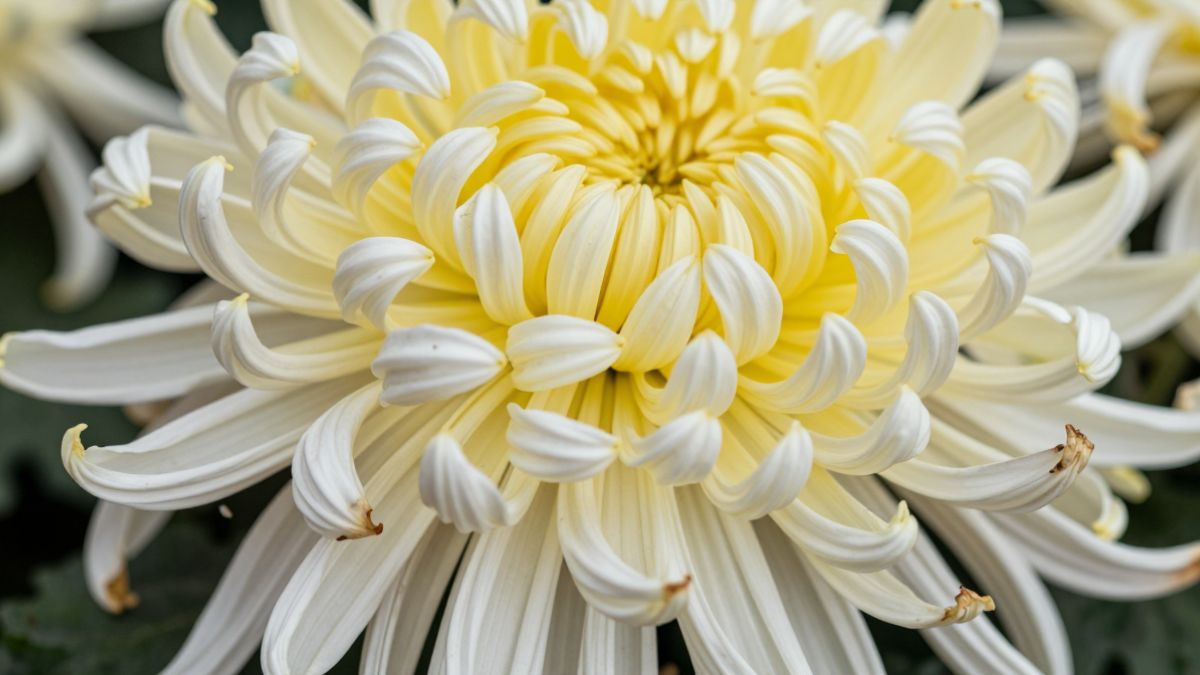
That sinking feeling when you walk past your chrysanthemum and notice wilting leaves or missing blooms? Here’s the relief: your plant isn’t dying. In most cases, it’s sending you a fixable signal—one of four common, reversible problems that gardeners across India face every winter season.
Chrysanthemums are December superstars in Indian gardens, thriving in the cool weather that arrives this time of year. But they’re also sensitive communicators. A yellowing leaf or drooping stem isn’t a death sentence; it’s a diagnostic clue. Let’s decode what your chrysanthemum is actually telling you, symptom by symptom, and walk through a simple two-week rescue plan that works.
Problem 1: Leaves turning yellow from the bottom up
Yellow lower leaves are the most common cry for help, and the culprit is almost always watering—either too much or too little.
Chrysanthemums need consistent moisture, but they despise sitting in waterlogged soil. If you’re watering daily and the pot has no drainage holes, root rot is likely. The roots suffocate, can’t absorb nutrients, and the oldest leaves yellow first.
The fix:
- Check drainage immediately. If your pot lacks holes, repot into one that drains freely.
- Water only when the top 2–3 cm of soil feels dry to the touch.
- In December’s cooler temperatures across most of India, that usually means watering every 2–3 days, not daily.
- Remove yellow leaves gently—they won’t recover, and removing them redirects energy to healthy growth.
If you’re in a region experiencing unseasonal rain this month, move potted chrysanthemums under a shelter to prevent over-saturation.

Problem 2: Healthy leaves, but no blooms appearing
Your chrysanthemum looks lush and green, yet stubbornly refuses to flower. Two timing issues are usually to blame: light duration and pinching schedule.
Chrysanthemums are photoperiodic, meaning they bloom in response to day length. They need short days and long nights—at least 12–14 hours of darkness—to trigger bud formation. If your plant sits near a street lamp or porch light that stays on after sunset, it’s confused.
The fix:
- Ensure your chrysanthemum gets complete darkness from around 6 PM to 6 AM. Even small amounts of artificial light can delay blooming.
- If you pinched back stems too late in the season (after mid-October in India), you may have removed developing buds. Pinching encourages bushiness but must stop 6–8 weeks before the natural bloom window (November–January).
- Feed with a low-nitrogen, high-phosphorus fertilizer (look for an NPK ratio like 5-10-5) every 10 days to support bud development.
Be patient. Once conditions are right, buds typically form within 2–3 weeks.
Problem 3: Stems drooping or wilting during the day
Drooping that doesn’t bounce back after watering points to root stress or heat exposure, even in winter.
In December, daytime temperatures in cities like Mumbai, Hyderabad, or Bengaluru can still climb to 28–30°C. Chrysanthemums prefer cooler conditions (15–24°C). If roots are cramped in a small pot or the plant sits in afternoon sun, heat stress causes wilting.
The fix:
- Move your chrysanthemum to a spot with morning sun and afternoon shade. In India’s winter, 4–5 hours of gentle morning light is ideal.
- Check if the plant is root-bound. Gently tip it out of the pot. If roots are circling densely or poking through drainage holes, repot into a container 5–7 cm larger.
- Water deeply in the early morning so roots are hydrated before the day warms up.
- Mulch the soil surface with a thin layer of dried leaves or coco peat to keep roots cool.
Within 3–4 days of adjusting light and pot size, you should see stems firm up.

Problem 4: Tiny bugs, sticky leaves, or webbing
Pests love chrysanthemums, especially aphids and spider mites, which thrive in dry, warm microclimates.
Quick pest ID:
- Aphids: Tiny green, black, or white insects clustered on new growth and buds. Leaves may feel sticky (honeydew secretion).
- Spider mites: Fine webbing between leaves, stippled yellow spots on foliage. Hold a white paper under a leaf and tap—tiny moving dots indicate mites.
The fix:
- Spray aphids off with a strong jet of water early in the morning. Repeat every 2 days for a week.
- For mites, mix 1 tablespoon neem oil + 1 teaspoon mild liquid soap in 1 liter of water. Spray thoroughly, including undersides of leaves, every 3 days.
- Increase humidity around the plant by misting daily or placing the pot on a tray of wet pebbles. Mites hate moisture.
- Inspect new plants before bringing them near your chrysanthemums—pests hitchhike easily.
Caught early, pest problems resolve within 7–10 days.
Pot vs. ground: care differences that matter
Potted chrysanthemums dry out faster, need more frequent feeding (every 10–14 days with diluted liquid fertilizer), and benefit from being rotated weekly so all sides get equal light.
Ground-planted chrysanthemums have more stable moisture and temperature but are harder to move if light conditions aren’t ideal. Mulch heavily around the base to retain moisture and suppress weeds. Space plants 30–40 cm apart to ensure good airflow, which reduces fungal issues common in India’s humid pockets.
Both types benefit from deadheading—removing spent blooms immediately to encourage more buds and prevent energy waste on seed production.

Your 2-week rescue routine (with reminders)
Set phone reminders for these simple checks:
Week 1:
- Day 1: Assess drainage, repot if needed, remove yellow leaves, check for pests.
- Day 3: Water only if top soil is dry. Spray pests if present.
- Day 5: Apply phosphorus-rich fertilizer. Mist for humidity.
- Day 7: Rotate pot. Check for new growth or bud formation.
Week 2:
- Day 10: Water, check light exposure, adjust if needed.
- Day 12: Repeat pest spray if necessary.
- Day 14: Evaluate overall improvement. Most plants show visible recovery—firmer stems, new buds, greener leaves.
Document progress with quick phone photos. You’ll be surprised how much changes in just two weeks when you address the root cause, not just the symptom.
The takeaway: listen, don’t panic
Chrysanthemums are resilient. They’ve been cultivated in India for centuries, thriving in everything from terrace gardens in Delhi to coastal plots in Kerala. When they struggle, they’re rarely beyond saving—they’re just asking for a small adjustment.
This December, give your chrysanthemum the gift of observation. Check soil moisture before you water. Count the hours of darkness. Look closely for the first sign of pests. Most problems announce themselves early, and early action means you’ll enjoy weeks of vibrant blooms well into January.
Your chrysanthemum isn’t dying. It’s waiting for you to hear what it’s been saying all along.