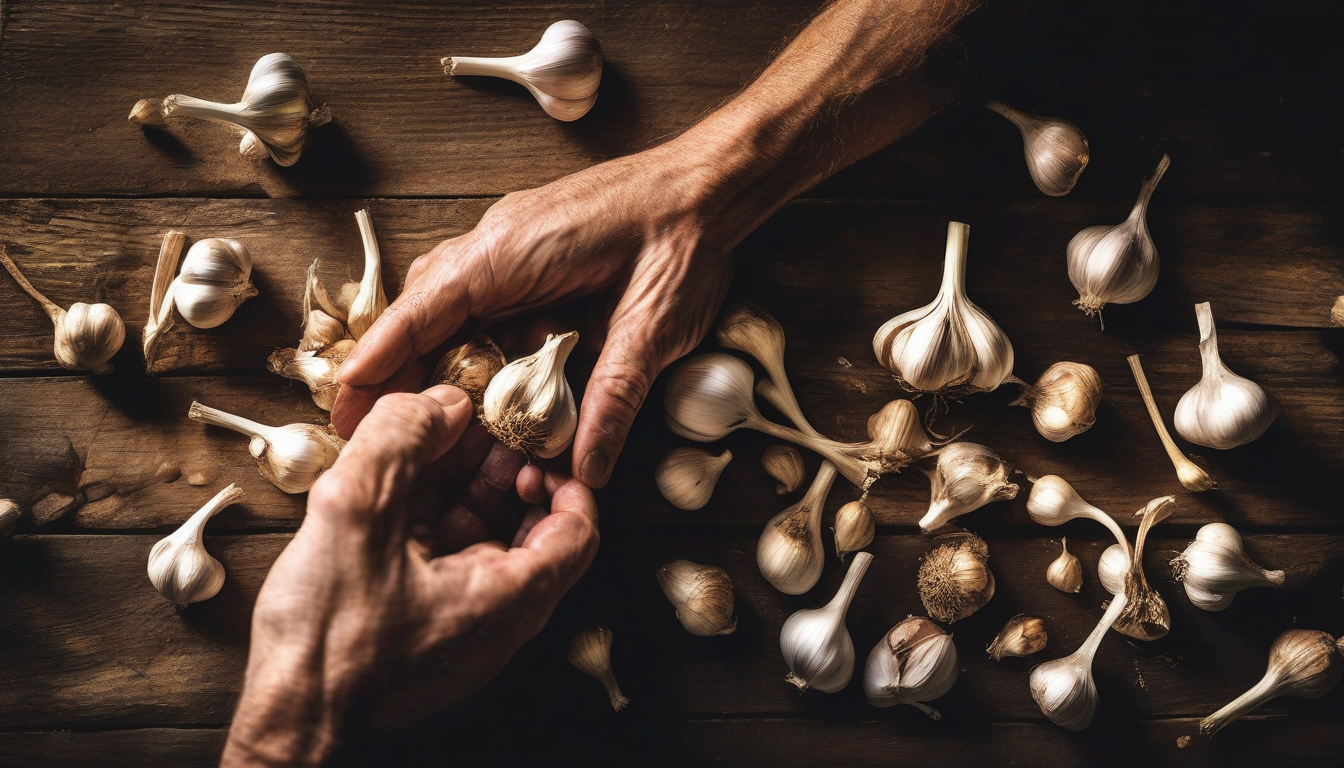
Most home gardeners plant garlic the same way they plant onions or potatoes—grab a bulb, break it apart, and stick the cloves in the ground. But that single approach is why your garlic bulbs stay disappointingly small, year after year.
The mistake happens before the clove even touches soil, and it’s almost impossible to fix once planting is done. Here’s what you need to know to grow garlic bulbs that actually impress.
The clove selection error that costs you size
Not all cloves are created equal. When you break apart a garlic bulb, you’ll notice dramatic size variation—some cloves are plump and firm, others are thin and papery.
Most beginners plant everything. That’s the mistake.
Only the largest, healthiest cloves from the outer ring should go into your garden. Small cloves produce small bulbs. It’s that simple. The energy stored in each clove directly determines the size potential of the mature bulb.
In India’s December planting season (ideal for northern states like Punjab, Haryana, and Uttar Pradesh), selecting premium cloves is even more critical. The shorter growing window before March heat means your garlic needs every advantage.
Discard any cloves that are:
– Smaller than your thumbnail
– Soft or showing brown spots
– From the innermost ring of the bulb
– Damaged or split
Save those rejected cloves for cooking. Your garden deserves only the champions.

Planting depth: the 5-centimeter rule
Shallow planting is the second silent killer of bulb size.
When cloves sit too close to the surface, they experience temperature swings that stress the developing plant. Roots struggle to anchor. Winter frost (in northern regions) can heave them right out of the soil.
Plant each clove 5 to 7 centimeters deep, measured from the soil surface to the top of the clove. Pointed end up, flat basal plate down.
This depth provides:
– Stable temperature for root development
– Protection from birds and surface pests
– Adequate soil coverage for strong anchoring
– Moisture retention around the developing bulb
In lighter, sandy soils common in coastal Karnataka or Kerala, aim for the deeper end of that range. In heavy clay soils, 5 centimeters is sufficient.
One practical trick: Use a dibber or a stick marked at 6 centimeters. Make your hole, drop the clove, cover, and move on. Consistency matters more than perfection.
Spacing: give each bulb room to expand
Cramming cloves close together feels efficient. You’re maximizing space, right?
Wrong. Crowded garlic produces crowded bulbs—small, competing for nutrients, prone to fungal issues in India’s humid regions.
Space cloves 10 to 15 centimeters apart in rows that are 20 to 25 centimeters apart. This isn’t wasted space. It’s investment in bulb diameter.
Proper spacing allows:
– Each plant to develop a full root system without competition
– Air circulation that prevents fungal diseases (critical during monsoon tail-end moisture)
– Easier weeding and inspection
– Larger bulbs with well-defined, separated cloves
If you’re planting in raised beds or containers (popular in urban Bangalore, Mumbai, or Delhi gardens), maintain the same spacing. A 60-centimeter-wide bed can comfortably hold two rows with proper spacing.

Watering control: the forgotten factor
Garlic needs water, but not the way tomatoes or cucumbers do.
Overwatering is epidemic among first-time garlic growers. The logic seems sound—more water equals more growth. But garlic bulbs are underground storage organs. Excess moisture causes them to rot, split, or simply stop sizing up.
Water deeply but infrequently. In December through February, once every 7 to 10 days is typically sufficient in most of India, depending on rainfall and soil type.
The critical period is the final 3 to 4 weeks before harvest (typically late March to April in northern India). Stop watering entirely during this window. This allows bulbs to cure in the ground, develop their papery wrappers, and maximize storage quality.
Signs you’re overwatering:
– Yellowing leaves (not from natural senescence)
– Soft, mushy bulb necks
– Fungal growth at soil level
– Bulbs that split or show green shoots prematurely
Signs you’re underwatering:
– Stunted, thin leaves
– Premature browning
– Tiny bulbs with tightly packed cloves
The soil should be moist 5 centimeters down, not soggy. Stick your finger in. If it comes out clean and slightly damp, you’re in the sweet spot.
The variety variable
While not technically a “mistake,” planting the wrong variety for your climate limits bulb size no matter how perfect your technique.
India’s garlic-growing regions favor:
– Hardneck varieties (Himachal Pradesh, Uttarakhand): Larger cloves, fewer per bulb, cold-hardy
– Softneck varieties (Gujarat, Rajasthan, Maharashtra): More cloves per bulb, heat-tolerant, longer storage
If you’re in a warmer region and plant hardneck garlic, you’ll get small, stressed bulbs. Match variety to climate, or accept smaller yields.
Local agricultural universities and Krishi Vigyan Kendras (KVKs) often provide region-specific variety recommendations. Use them.

Your December planting checklist
You’re planting in the optimal window right now (mid-December 2025). Here’s your action plan:
- Source bulbs from a reputable nursery or agricultural supplier, not the grocery store (often treated to prevent sprouting)
- Select only the largest outer cloves
- Prepare beds with compost or well-rotted manure (garlic is a heavy feeder)
- Plant 5 to 7 centimeters deep, 10 to 15 centimeters apart
- Water immediately after planting, then shift to weekly deep watering
- Mulch with straw or dried leaves to regulate temperature and suppress weeds
- Mark your calendar to stop watering in late March
By April or early May, you’ll be harvesting bulbs that are 30 to 50 percent larger than your previous attempts. The difference is visible, measurable, and deeply satisfying.
The best part? Once you do it right once, you’ll have your own seed stock for next year—selected from your largest, healthiest bulbs. Your garlic will improve season after season.
Get those cloves in the ground this week. Your future self will thank you when you’re pulling up bulbs the size of your fist.