You’ve probably scrolled past those glossy Instagram reels showing lush orchards in tiny balconies and thought, “That’s impossible in my space.” Here’s the truth: you don’t need acres of land or a green thumb to grow your own fruit. With the right plants, a few pots, and some basic know-how, even a cramped Indian balcony can yield lemons, strawberries, and guavas by next season.
The trick isn’t magic—it’s choosing varieties bred for containers and understanding three non-negotiables: sunlight, patience, and the right pot size. Let’s break down exactly which fruit plants will actually thrive in small gardens across India, and how to set them up for success.
The reality check: What you actually need
Before you rush to the nursery, let’s get practical. Most fruiting plants need at least 6 hours of direct sunlight daily. If your balcony faces north or is shaded by neighboring buildings, stick to shade-tolerant options like certain berry varieties.
Patience is the second ingredient. Dwarf lemon trees take 6–9 months to fruit after planting. Strawberries reward you faster—around 3–4 months—but pomegranates might take a full year. If you’re expecting mangoes in three months, you’ll be disappointed.
Finally, container size matters more than you think. A cramped root system means stunted growth and poor fruiting. We’ll cover exact pot dimensions for each plant below.

The 7 best fruit plants for pots (tested for Indian conditions)
Lemon (Nimbu)
Why it works: Dwarf varieties like Kagzi or Meyer lemon adapt beautifully to containers. They fruit year-round in warm climates and tolerate India’s summer heat if watered consistently.
Pot size: Minimum 12–14 inches diameter, 12 inches deep.
Soil mix: Equal parts garden soil, cocopeat, and vermicompost. Add a handful of neem cake to prevent root pests.
Pro tip: Lemons are self-pollinating, so you don’t need multiple plants. Mist the flowers gently during dry spells to help fruit set.
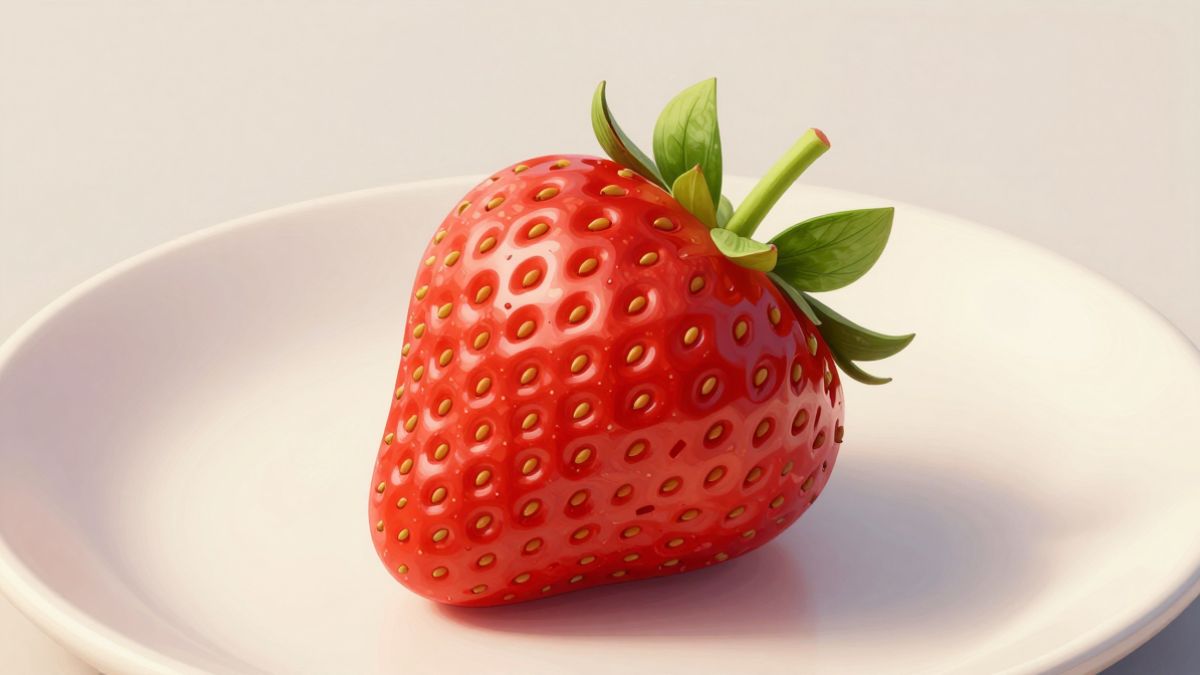
Strawberry
Why it works: Compact, fast-fruiting, and perfect for hanging pots or vertical gardens. Ideal for cooler months (October–February) in most of India.
Pot size: 8–10 inches diameter per plant. Shallow roots mean you can use wide, low containers.
Soil mix: Light, well-draining mix—60% cocopeat, 30% compost, 10% perlite or sand.
Pro tip: Remove runners (the long stems that sprout baby plants) if you want bigger berries. Let them grow if you want more plants.
Guava (Dwarf Amrud)
Why it works: Dwarf varieties like Allahabad Safeda or Apple Guava stay under 5 feet in pots and fruit twice a year.
Pot size: 16–18 inches diameter, 14 inches deep.
Soil mix: 50% garden soil, 30% compost, 20% sand. Guavas tolerate slightly acidic to neutral pH.
Pro tip: Prune after the monsoon harvest to encourage a second flush in winter. Guavas fruit on new growth.
Pomegranate (Anar)
Why it works: Naturally bushy, drought-tolerant once established, and ornamental even when not fruiting. Bhagwa and Ganesh varieties do well in containers.
Pot size: 14–16 inches diameter, 12 inches deep.
Soil mix: 40% garden soil, 40% compost, 20% sand. Pomegranates hate waterlogged roots.
Pro tip: Hand-pollinate by gently brushing a soft paintbrush across open flowers in the morning. This boosts fruit set dramatically on balconies with low bee activity.
Banana (Dwarf varieties)
Why it works: Dwarf Cavendish or Rajapuri banana can fruit in large pots. They’re fast growers and fruit in 9–12 months.
Pot size: 18–20 inches diameter, 16 inches deep. Bananas are heavy feeders and need space.
Soil mix: Rich, loamy mix—50% garden soil, 40% compost, 10% cocopeat.
Pro tip: Bananas fruit once per pseudostem (the “trunk”), then die back. Let the pups (baby shoots) grow to replace the mother plant.
Papaya (Red Lady or Taiwan varieties)
Why it works: Papayas fruit in 8–10 months and don’t have deep roots, making them surprisingly container-friendly.
Pot size: 16–18 inches diameter, 14 inches deep.
Soil mix: 50% garden soil, 30% compost, 20% cocopeat. Ensure excellent drainage—papayas rot easily.
Pro tip: Choose dwarf, bisexual (self-pollinating) varieties. Regular papayas need male and female plants, which is impractical in small spaces.
Fig (Anjeer)
Why it works: Figs thrive in Indian heat, tolerate neglect, and fruit twice a year. Brown Turkey and Poona figs are reliable.
Pot size: 14–16 inches diameter, 12 inches deep.
Soil mix: 50% garden soil, 30% compost, 20% sand. Figs prefer slightly alkaline soil.
Pro tip: Figs don’t need pollination for most varieties. Prune in late winter to control size and encourage fruiting on new wood.
Soil mix essentials: The formula that works
Across all these plants, drainage is king. Indian monsoons can drown container plants overnight. Always add a 2-inch layer of broken terracotta or pebbles at the pot bottom.
Basic all-purpose mix:
– 40% garden soil (sterilized if possible)
– 30% compost or vermicompost
– 20% cocopeat
– 10% sand or perlite
For heavy feeders like bananas and guavas, increase compost to 40% and reduce garden soil.
Pollination tricks for balcony gardeners
No bees? No problem. Hand-pollination takes 2 minutes and triples your yield.
For flowers with visible stamens (like pomegranate, strawberry):
1. Use a small, soft paintbrush or cotton swab.
2. Gently brush the center of each flower in the morning (8–10 AM).
3. Move from flower to flower to transfer pollen.
For self-pollinating plants (lemon, fig, papaya), a light shake or breeze is usually enough. Place a small fan nearby if your balcony is enclosed.
Pruning to keep trees small (without killing fruiting)
Prune in late winter (January–February) for most fruit plants. This is when they’re semi-dormant.
What to cut:
– Dead or diseased branches (anytime).
– Branches growing inward or crossing each other.
– The top 20–30% of vertical growth to encourage bushy, horizontal branching.
What NOT to cut:
– Fruiting spurs (short, stubby branches where flowers appear).
– More than one-third of the plant in a single session.
Guavas, figs, and pomegranates fruit on new growth, so moderate pruning actually boosts yield. Lemons fruit on older wood—prune lightly.

Common fruit-drop causes (and how to fix them)
1. Inconsistent watering
Symptom: Fruits shrivel and drop when marble-sized.
Fix: Water deeply every 2–3 days in summer, weekly in winter. Mulch the topsoil with dry leaves to retain moisture.
2. Nutrient deficiency
Symptom: Yellowing leaves, small fruits that drop early.
Fix: Feed every 15 days during fruiting season with diluted liquid seaweed or compost tea. Avoid high-nitrogen fertilizers—they promote leaves over fruit.
3. Poor pollination
Symptom: Flowers bloom but no fruit sets.
Fix: Hand-pollinate as described above. Ensure flowers aren’t getting wet during watering—this washes away pollen.
4. Pest stress
Symptom: Sticky leaves, visible insects, premature drop.
Fix: Spray neem oil solution (5 ml per liter of water) every 10 days. Inspect leaf undersides weekly.
5. Overcrowding
Symptom: Plant sets 20 fruits, drops 18.
Fix: Thin fruits when they’re pea-sized. Leave 4–6 inches between each fruit. The plant will channel energy into fewer, larger, sweeter fruits.
Your next steps
Start with one or two plants that match your sunlight and patience level. Strawberries and lemons are forgiving for beginners. Guava and pomegranate reward you if you can wait a season.
Buy pots with drainage holes, invest in good compost, and set a phone reminder to water. By this time next year, you’ll be harvesting fruit you grew yourself—no land required, no impossible dream. Just a pot, some soil, and the willingness to try.